





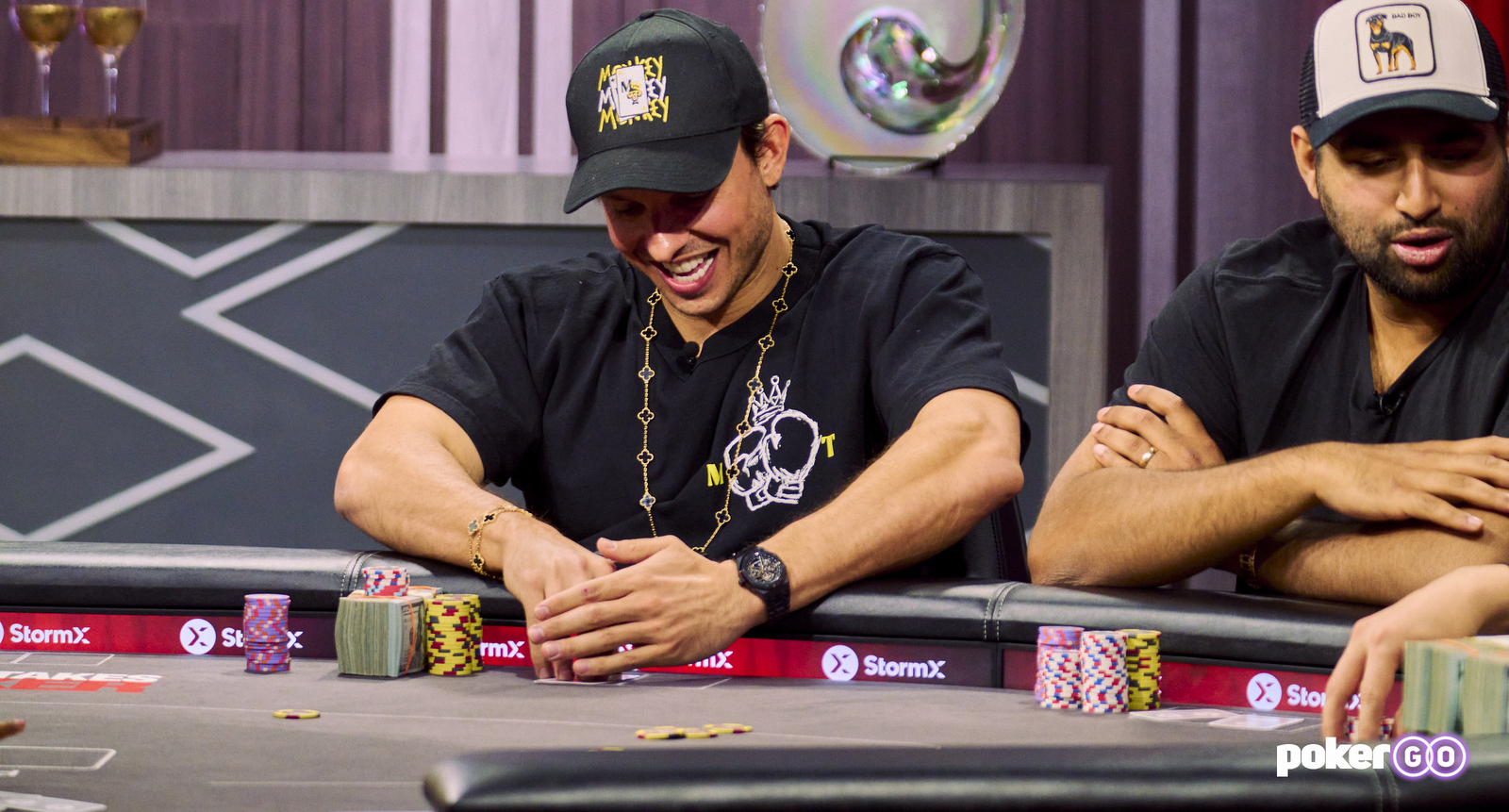


In Texas Hold'em, check-raise is a high-pressure, high-reward offensive defensive technique. This article will guide you through the core logic of the check-raise strategy, analyzing when to induce your opponent to bet and then raise, and how to combine value and semi-bluff to create pressure, helping you effectively control the pace of the game and improve profitability post-flop.
In Texas Hold'em, delayed c-betting is an underrated but highly profitable technique. This article will guide you through the core logic of the delayed c-bet strategy, analyzing when to check on the flop and then attack on the turn, helping you apply pressure at the right time, increase your success rate, and optimize your overall decision-making.
In Texas Hold'em, bluffing is a key technique for improving profitability. This article will guide you through the core logic of bluff poker strategy, analyzing when to steal the pot and when to fold, and delving into the application of semi-bluffing to help you make more accurate decisions in different hand situations.
FAQ
Q:What is the origin of Texas Hold'em?
It is a variant of community card poker that originated in Texas. After being introduced to Las Vegas and adopted by major tournaments, it gradually became the mainstream of competitive poker worldwide.
Q:Why is it called Texas Hold'em?
"Texas" refers to its place of origin, while "Hold’em" describes the gameplay mechanic where players hold their hole cards and combine them with community cards to form the best hand.
Q:Why is Texas Hold'em so popular worldwide?
It’s popular because the rules are easy to learn, yet the strategic depth is immense. Community cards make the action transparent and highly engaging for spectators, making it ideal for tournaments and broadcasting.
Q:What is WSOP, and how is it related to Poker?
The WSOP (World Series of Poker) is one of the most prestigious poker tournament series globally. Since Texas Hold’em became its main event format, it has significantly driven the game's global popularity.
Q:What is the best practice for beginners?
Try this for every hand: Pre-flop, categorize your opponent's range as "Strong," "Medium," or "Wide/Speculative." Post-flop, observe their betting to decide whether to tighten or widen your own range. Master this exercise first, and you will see rapid improvement.