




賽事 #5 決賽桌籌碼量
「就這樣擊敗它」
有一對撲克情侶正在完全主宰 2026 年於拉斯維加斯舉行的美國撲克公開賽(USPO)。儘管 Kristen Foxen 在週三贏得了賽事 #4:$10,000 無限注德州撲克,但這對主導系列賽的情侶並不是她與 Alex Foxen。不,掌控系列賽的這對情侶是 Cherish Andrews with Brock Wilson。他們兩人不僅都贏得過賽事、在賽事 #4 中打進深輪,隨後更在週三的賽事 #5:$10,000 無限注德州撲克中成功進入獎金圈。
Wilson 是上個月 PokerGO 盃的冠軍,他在賽事 #4 中以第四名獲得 $66,000 獎金,隨後在賽事 #5 中以第九名獲得 $24,000。與此同時,Andrews 在賽事 #4 中以第八名獲得 $26,400 獎金,並在賽事 #5 中以短碼籌碼晉級,繼續將她「巨大且悲傷的下風期」轉變為生涯中最輝煌的一個月。
目前的系列賽排行榜顯示,Wilson 與 Andrews 分別位居第二和第三,落後於已拿下兩次亞軍的 Jeremy Ausmus。然而,一旦賽事 #5 的積分納入計算,排行榜肯定會再次洗牌。
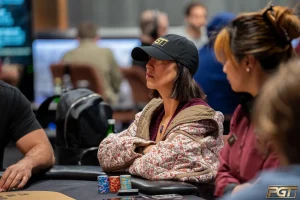
目前決賽桌剩下六名選手,包括近期在 PokerGO 盃表現優異的 Qinghai Pan、征戰多年的職業選手 Justin Zaki,以及從饒舌歌手轉戰牌桌的 Brandon Wilson——後者以籌碼領先者的身份結束當日賽程。
賽事 #5 決賽桌籌碼量
| Ranking | player | country | 籌碼量 | 大盲注 |
|---|---|---|---|---|
| 1 | Brandon Wilson | United States | 3,585,000 | 72 |
| 2 | Qinghai Pan | United States | 2,175,000 | 44 |
| 3 | Justin Zaki | United States | 1,585,000 | 32 |
| 4 | Peter Placey | United States | 1,375,000 | 28 |
| 5 | Anil Jivani | United States | 825,000 | 17 |
| 6 | Cherish Andrews | United States | 455,000 | 9 |
「就這樣擊敗它」
本系列賽第二場 $10,000 買入賽事共吸引 80 人次參賽,總獎金池達 $800,000。
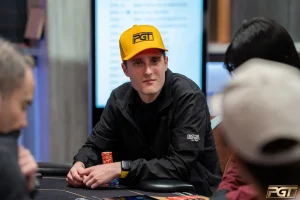
第一天的賽事中,大部分話題圍繞在 Jeremy Becker、Chino Rheem、Justin Zaki 以及 Foxen 夫婦之間的邊注對賭。
「就是我跟你,Krissy!」Becker 在將 Zaki 推向淘汰邊緣時興奮地喊道。但這顯然慶祝得太早——他的對手手握口袋 A,成功雙倍籌碼,繼續在錦標賽與邊注中保有競爭力。
穿著 Andrews 形容為「麥可傑克森褲子」的 Becker,可能因此帶衰了自己與 Foxen。Foxen 在距離獎金圈僅差幾個名次時出局,而 Becker 隨後以第 11 名遭到淘汰,留下 Zaki 獨享邊注彩金。
當日的另一亮點發生在獎金圈泡沫階段。Jesse Lonis 準確猜中了 Anil Jivani 的手牌,甚至在牌桌上大方分享了他的思考過程,為現場帶來了一堂免費的撲克課。
「所以你才是大猩猩啊,」Jivani 對他說。

數字 8 可能成了 Nick Schulman 最新的「最討厭的數字」。這位撲克名人堂成員在決賽桌泡沫圈以第八名出局,他的 Q 被 Zaki 的口袋 8 擊敗——而翻牌的第一張牌正好就是 8。
在此之後,Lonis 連續輸掉兩次擲硬幣對決,籌碼所剩無幾,最終在與 Zaki 的最後對決中遭到淘汰。
第二天賽事將於當地時間上午 11:45 開打,從第 19 級別開始,盲注為 30,000/60,000/60,000。賽事將於 PokerGO 進行直播,轉播與 PokerNews 的即時文字報導將同步延遲一小時播出。
Specific Scenario Retrospective: Key Decisions in Different Situations
Certain scenarios can drastically alter decision-making logic, such as tournament pressure, chip depth, positional structure, range matchups, and betting patterns.
When you enter different situations, the correct approach isn't just about looking at your hand, but about understanding the overall context. The following specific scenarios and core themes are key to influencing wins and losses and long-term profitability:
I. Special Scenarios in the Championship
[ICM Pressure] How to make decisions in the ICM tournament scenario?
[Bubble Phase] Should we be aggressive or conservative during the Bubble phase?
[Final Table] How should key moves be handled?
[Short Code Strategy] How should Short Stack be typed?
[Deep Stack Strategy] What are the differences in how Deep Stack is played?
[Blind Stealing Strategy] How to consistently steal blinds in tournaments?
【Stealing Blinds vs. Counter-Stealing Blinds】Strategies for Countering Blinds in the Bubble Phase
[Middle Chip Dilemma] Why is the middle chip the hardest to beat?
[Pressure Transfer] How to transfer ICM pressure to the opponent?
[Final Table Mindset] How to go from the final table to the championship?
[Chip Management] How to control risk and avoid collapse?
[Complete Tournament Strategy] The entire process from entry to victory
II. Core of the Underlying Strategy
[Position Advantage] How to play in different positions? A complete analysis of BTN / CO / SB / BB
[Range Thinking] Why do expert players look at the range instead of their hand?
[3-bet strategy] When should you raise your bet? How to counter your opponent's opening?
How does bet sizing affect your EV?
[Betting Line] How to design a complete Flop / Turn / River Line?
Fold Equity: How can you win without showing your cards?
III. Practical Decision-Making After the Cards Are Flipped
[C-bet Strategy] When should you continue betting?
[Turn Strategy] Should we fire the second shot?
[River Decision] Should the last street be Value or Bluff?
When should you retaliate?
[Blocker Application] What is a blocking sign? How does it influence decision-making?
[Range Shrinking] How to understand your opponent's range step by step?
IV. Advanced Competition and Professional Mindset
[Exploit Strategy] How to achieve stable profits for different player types?
[GTO vs Exploit] How to choose in actual combat?
[Result Bias] Why do I still lose even when I guess correctly?
[Decision-making process] How do experts make the right decisions quickly?
Why does overconfidence actually lead to more losses?
[Emotional Management] How to avoid Tilt?
How to establish a stable profit-making mindset for long-term EV (Electronic Vehicle) businesses?
V. Common Hand Issues and Practical Problems
[All-in Decision] When should you go all in?
[Missed Card] What should I do if I missed?
[Slow Play Judgment] When should you slow play?
Why do expert players rarely play marginal hands?
[Key Fold] When should you fold?
VI. Basics for Beginners and Traffic Sources
[Starting Hand Strategy] A Complete Guide for Beginners
Texas Hold'em Rules: Complete Gameplay Tutorial (2026 Latest Version)
[Poker Card Rankings] Card Rankings and Comparison Rules
Texas Hold'em Terminology: A Complete Guide from Beginner to Advanced Players
How to win money in Texas Hold'em? A complete analysis of the thought process.
Different scenarios require entirely different decision-making logic. From tournament pressure and chip depth to position, range, and post-flop strategy, each situation demands a different framework for thinking. When you can systematically understand these specific situations, you're no longer just playing by feel, but truly establishing a sustainable and profitable decision-making system.