



Author name: Hunter_Megan

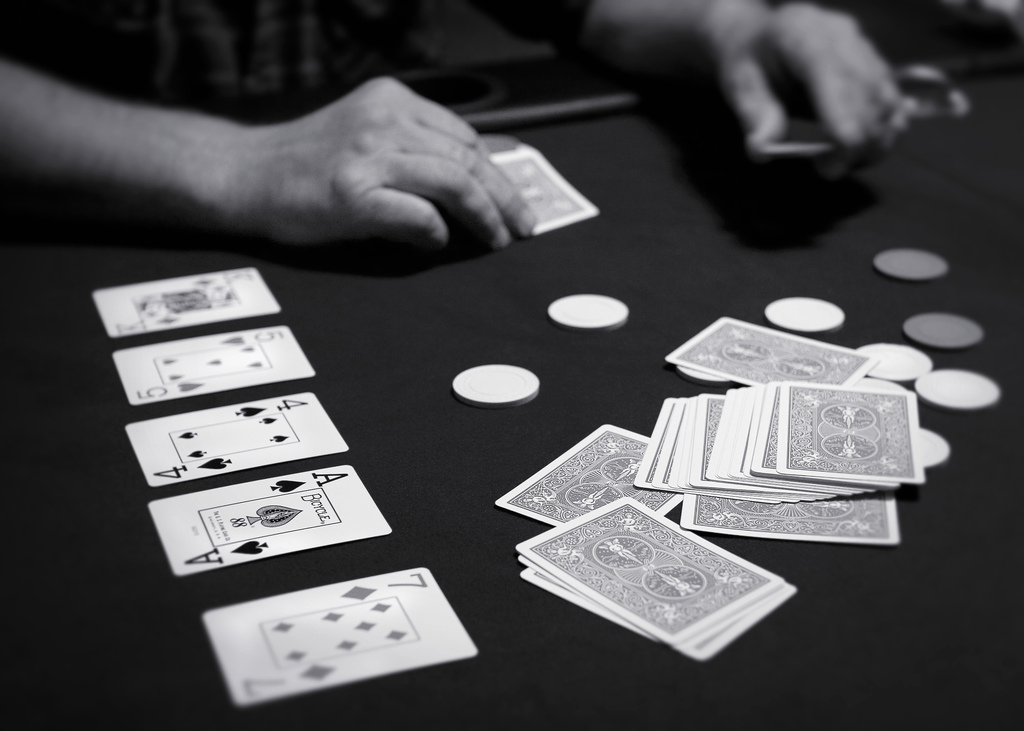
Poker Range Misread: An illustration of how a lack of range knowledge can lead to incorrect card readings, incorrect payments, and incorrect attacks.

[Range Misjudgment] Analysis of Errors Caused by a Lack of Understanding of Range

Poker Strategy / Tutorials, Hand resumption

In Texas Hold'em, many players believe they are "reading" the cards, but in reality, they are simply guessing whether their opponent has that particular hand. This is the most common problem with range misjudgment. True analysis is not about locking onto a single hand, but about gradually narrowing down the range their opponent might hold based on position, actions, bet sizing, board texture, and the entire board. If you don't understand range, common results include: overestimating your opponent's bluff, underestimating their value, treating medium-strength hands as monsters, and viewing polarized boards as random play, ultimately leading to low-quality pay-offs or low-quality attacks at crucial decision points. This article will fully analyze the analytical errors caused by a lack of range understanding, how they continuously undermine your judgment, and how expert players truly use range thinking to dissect the hand.
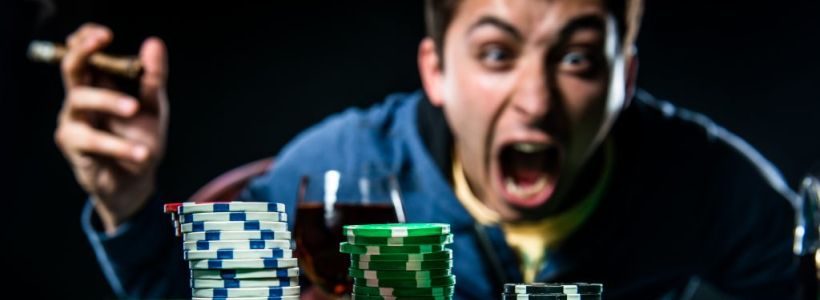
Poker Emotional Leak: A diagram illustrating how emotions affect a player's betting, calling, bluffing frequency, and overall decision-making quality in Texas Hold'em.

[Emotional Issues] How do emotions affect your decision-making?

Poker Strategy / Tutorials, Hand resumption

In Texas Hold'em, many players believe that emotions are merely "outside the table," and that skill is the truly important factor. However, emotions are, in fact, an integral part of skill. When you experience bad beats, anger, resentment, anxiety, a desire to prove yourself, a need to win immediately, or excessive excitement due to a winning streak, these emotions directly alter your betting sizing, calling threshold, bluffing frequency, and overall judgment. What truly causes players to lose money in the long run is often not a single mistake, but rather the continuous infiltration of emotions into the decision-making process, turning what should be a rational game into emotionally driven payouts and impulsive decisions. This article will provide a comprehensive analysis of how emotions affect your decisions, why they become hidden leaks, and how expert players manage their emotions to maintain long-term, stable profitability.

Poker Overbet Mistakes: A diagram illustrating how betting too much in Texas Hold'em weakens value efficiency, unbalances the bluff, and reduces overall EV.

Why do people lose money when they bet too much?

Poker Strategy / Tutorials, Hand resumption

In Texas Hold'em, many players believe that larger bets create more pressure and make opponents more prone to mistakes. However, the real issue is that over-betting doesn't necessarily equate to high-quality pressure. Often, it turns a potentially profitable situation into a high-volatility, inefficient, or even negative EV play against the wrong boards, ranges, and opponents. The cost of over-betting isn't just scaring away opponents; it can disrupt your value collection, cause excessive bluff imbalance, narrow your opponent's continuation range, and even render your entire betting strategy unreliable. This article will provide a comprehensive analysis of why over-betting can be detrimental, which situations are unsuitable for aggressively betting large stakes, and how expert players choose truly effective betting sizes based on the board, range, opponents, and betting objectives.