


Specific scenario analysis (hand analysis)

This category compiles Texas Hold'em hand reviews and special scenario analyses, providing practical analysis for different player types, betting strategies, GTO and Exploit decisions, and turn and river card judgments, helping players improve their hand reading ability and long-term profit-making mindset.

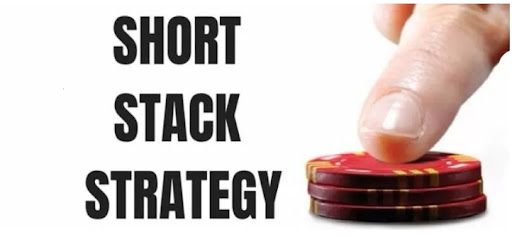
The diagram illustrates the Short Stack strategy, showing the Push or Fold decision model for players with short codes.

[Short Code Strategy] How should Short Stack be typed?

Poker Strategy / Tutorials, Specific scenario analysis (hand analysis)

Short stack strategy is one of the most crucial decision-making models in tournaments. When a player's stack falls below 10BB, they enter push/fold mode. This article delves into the optimal decision-making logic for short stacks, including when to go all-in, how to leverage positional advantage, and how to maximize fold equity. By precisely executing a short stack strategy, you can consistently double up in high-pressure environments, avoid being eliminated by the blinds, and improve your overall tournament survival rate and profitability.

The ICM pressure diagram illustrates the relationship between chip value and risk decisions in tournaments.

[ICM Pressure] How to make decisions in the ICM tournament scenario?

Poker Strategy / Tutorials, Specific scenario analysis (hand analysis)

The Independent Chip Model (ICM) is the core decision-making model in tournaments, revolutionizing players' understanding of "chip value." Under ICM pressure, every decision is no longer just about win rate, but about balancing risk and prize distribution. This article delves into key decisions during the bubble and final table, explaining why strong hands sometimes must fold, and how expert players exploit ICM pressure to exploit and maximize long-term profitability.