


International news
Daniel Negreanu speaks out on a high-stakes poker debt controversy, criticizing public exposure of unpaid debts and discussing ethics in the poker community.
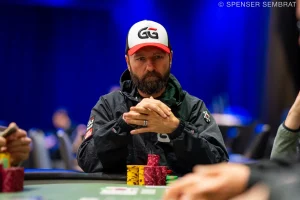 Poker legend Daniel Negreanu publicly criticized social media for exposing his debt issues, sparking heated discussions among players.
Negreanu publicly stated: Social media should not be used to handle private debts.
Renowned poker legend Daniel Negreanu recently commented on debt disputes among high-stakes players. He believes that publicly discussing outstanding debts on social media is not a proper solution. His remarks stem from professional player Dylan Linde's revelation on social media that another high-stakes player, David Peters, has not yet repaid all his debts, sparking widespread discussion within the poker community.
While Negreanu did not directly name the individuals involved in his YouTube video, he clearly expressed his disapproval of this "public naming" approach. He pointed out that such issues are better resolved privately than by creating public pressure.

Background of the debt dispute: Trust and risk among high-stakes players
According to reports, Dylan Linde indicated that David Peters owed approximately $50,000 in debt, but has only repaid about $27,000 so far. This debt is related to poker staking, which is quite common among high-stakes players.
Negreanu stated that "liquidity issues" are actually quite common in the high-stakes poker world. Many players' funds are invested or used to support other players, leading to short-term cash flow shortages. He emphasized that this situation is fundamentally different from "fraud."
Negreanu's perspective: Distinguishing between "inability to repay" and "malicious fraud"“
Negreanu specifically emphasized that two different types of debtors should be distinguished:
One type is people who are willing to repay but are temporarily experiencing financial difficulties; the other type is fraudsters who have absolutely no intention of repaying.
He pointed out that, based on the current situation, David Peters has made several partial repayments, indicating his intention to fulfill his responsibilities. Therefore, he does not believe the incident should be defined as "fraud," but rather as a case of financial difficulties.
Poker Culture Clash: A Collision Between New Generation and Old-School Perspectives
Negreanu also mentioned that these incidents reflect a shift in poker culture. He believes that in the past, players preferred to resolve issues privately, while now some younger players choose to expose their problems through social media.
He admitted that he belongs to the "old-school" style, and even if many people owe him money, he would not choose to publicly name them. He believes that such behavior could have a negative impact on the entire poker community and even cause misunderstandings about high-stakes players.

Community reactions and controversies: Transparency or overexposure?
While Negreanu criticized the way debt was made public, he also acknowledged that the community does have a responsibility to expose genuine fraud. However, he believes this incident did not reach that level.
David Peters has issued a public apology, but has not yet given a specific repayment schedule for the remaining approximately $23,000. The incident continues to escalate, sparking discussions among gamers about the boundaries between "transparency" and "privacy."
Common Mistakes Review: Why Do You Keep Losing? The Problem Lies Here
Most players lose money not because of luck, but because they repeat the same mistakes.
These debriefings will help you identify the most common mistakes and understand how to correct them:
Why does constantly calling cause you to lose money?
[Bluff Imbalance] What are the costs of excessive bluffing?
Why do you always lose on the last street? [Never fold]
[Slow Play Error] Why do I lose big pots when I play slowly?
What's the problem with betting too small?
Why do people lose money when they bet too much?
[Emotional Issues] How do emotions affect your decision-making?
[Range Misjudgment] Analysis of Errors Caused by a Lack of Understanding of Range
[Location Ignore] What are the consequences of ignoring location?
[Misinterpreting People] The Impact of Misinterpreting an Opponent's Behavior
Avoiding mistakes is more important than learning new skills. By reviewing these common mistakes, you can quickly identify your weaknesses, correct your decision-making habits, and reduce unnecessary losses.
▶️ In Facebook Follow Hunter Poker.
📘 In Youtube Follow Hunter Poker.
Want to learn more about Texas Hold'em gameplay and strategies?
DX Poker, as one of the online Texas Hold'em platforms, offers a variety of table types and tournament modes, allowing players to accumulate experience through actual games and gradually improve their strategy and judgment.
Further News Reading
International news
APT Jeju Station | Scott Margereson wins High Roller title, Hongsheng Zhang achieves career-best third place.
International news
Love from Paris: French warriors win hard-fought victory in Marrakech
International news
Nine cards flopped to determine the RGPS Lake Erie Main Event champion
International news