




The flop is the first community card in Texas Hold'em, consisting of three cards, and it's a crucial dividing line between pre-flop and post-flop strategies. Most hand strength, draws, and range advantages are formed from the flop onwards. This article will provide a comprehensive overview of the flop's definition, the dealing process, board texture, and common flop strategies.

Preflop is the first decision-making phase in Texas Hold'em, after each hand begins and before the community cards are dealt. At this stage, players can only make decisions based on their two Hole Cards, position, and chip stack. This article will provide a complete overview of the definition of preflop, common actions, preflop strategies, and why expert players place particular emphasis on preflop decision-making.

In Texas Hold'em, "Street" is a crucial term used to describe different betting phases. From Pre-flop to Flop, Turn, and River, each street represents new information and new decisions. This article will provide a comprehensive overview of the definition of a Street, the differences between the four streets, and how different streets influence Texas Hold'em strategy.

The board (the five community cards) is the common information source for all players on the Texas Hold'em table. The board texture not only determines the possible hand types but also directly influences betting, bluffing, and value betting strategies. This article will provide a complete introduction to the definition of the board, board types, board texture, and how expert players analyze the board.
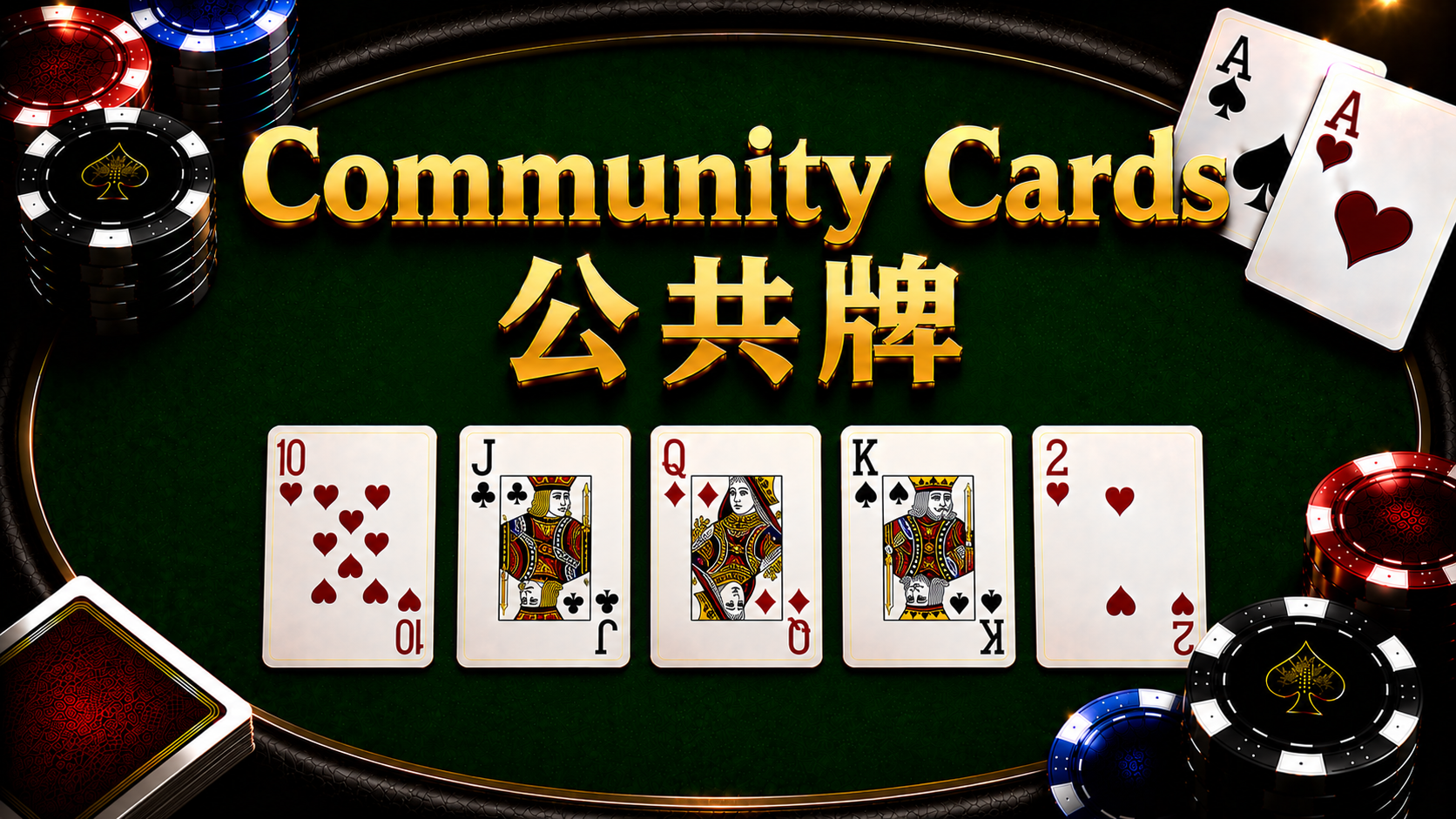
Community cards are the cards shared by all players in Texas Hold'em. There are five community cards in total, dealt through three phases: Flop, Turn, and River. This article will provide a comprehensive overview of the definition of Community Cards, the dealing process, their relationship with Hole Cards, and how community cards influence Texas Hold'em strategy.