



在德州扑克中,3-bet底池往往意味着更高风险与更快进入全下(All-in)的决策压力。本篇教学将带你理解SPR(Stack-to-Pot Ratio)的核心概念,并透过实战SOP,学会在翻牌后简化决策、精准下注与避免常见错误,帮助你在高压底池中稳定盈利。
在德州扑克中,多人底池(3人以上)是最容易犯错与快速失血的场景。本篇将解析多人底池的核心策略,结合multiway pot strategy 思维,带你理解为什么诈唬在多人底池中失效,以及如何透过价值下注与控池,在高复杂度局面中稳定盈利。

在德州扑克中,转牌与河牌是决定输赢的关键阶段。本篇将带你掌握double barrel strategy 的核心逻辑,学会何时应该连开第二枪、何时该收手,以及如何避免「好奇跟注」等致命错误,帮助你在后两条街做出更精准的决策并稳定盈利。

在德州扑克中,位置(Position)是影响决策品质与长期盈利最关键的结构优势。本篇深入解析texas holdem position strategy,说明为什么后位(In Position)能掌握资讯与节奏,而前位(Out of Position)则面临更高风险与被动压力。透过理解位置如何影响范围、下注与整体策略,你将从单纯看牌力,进阶到用结构优势做决策,提升稳定度与整体胜率。

德州扑克怎么玩:新手10 分钟上手(规则、流程、下注、牌型)
德州扑克怎么玩:新手10 分钟上手(规则、流程、下注、牌型)

在德州扑克中,真正拉开玩家差距的,不是技术细节,而是思维方式。高手与新手最大的不同,在于是否理解「长期EV」的概念。很多玩家过度关注单手输赢,导致情绪波动与决策失衡,而高手则专注于每一次决策是否正确。即使短期持续输牌,只要决策是正确的,长期结果必然回归正值。本篇将深入解析EV、Variance与结果偏误,帮助你建立真正稳定盈利的扑克思维。
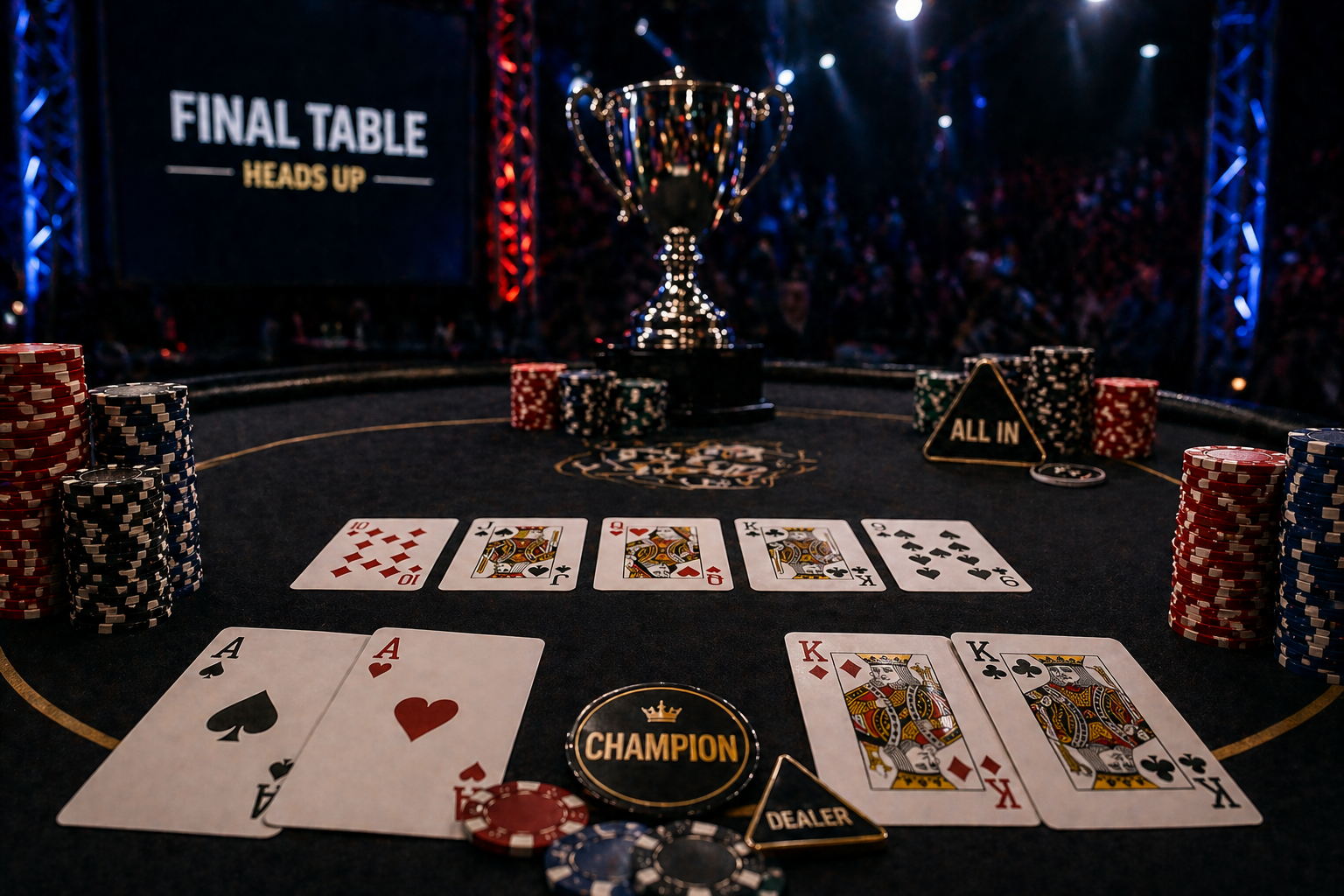
在德州扑克锦标赛中,最后一手决定的不只是底池,而是整场比赛的胜负。当比赛进入Heads Up,每一个决策都被放大,没有ICM缓冲,也没有第三方压力,只有纯粹的策略、范围对抗与心理博弈。很多玩家会认为最后一手只是运气,但实际上,这一手往往是整场比赛策略累积的结果。本篇将解析冠军关键一手,帮助你理解在最终对抗中,什么样的决策真正决定胜负。
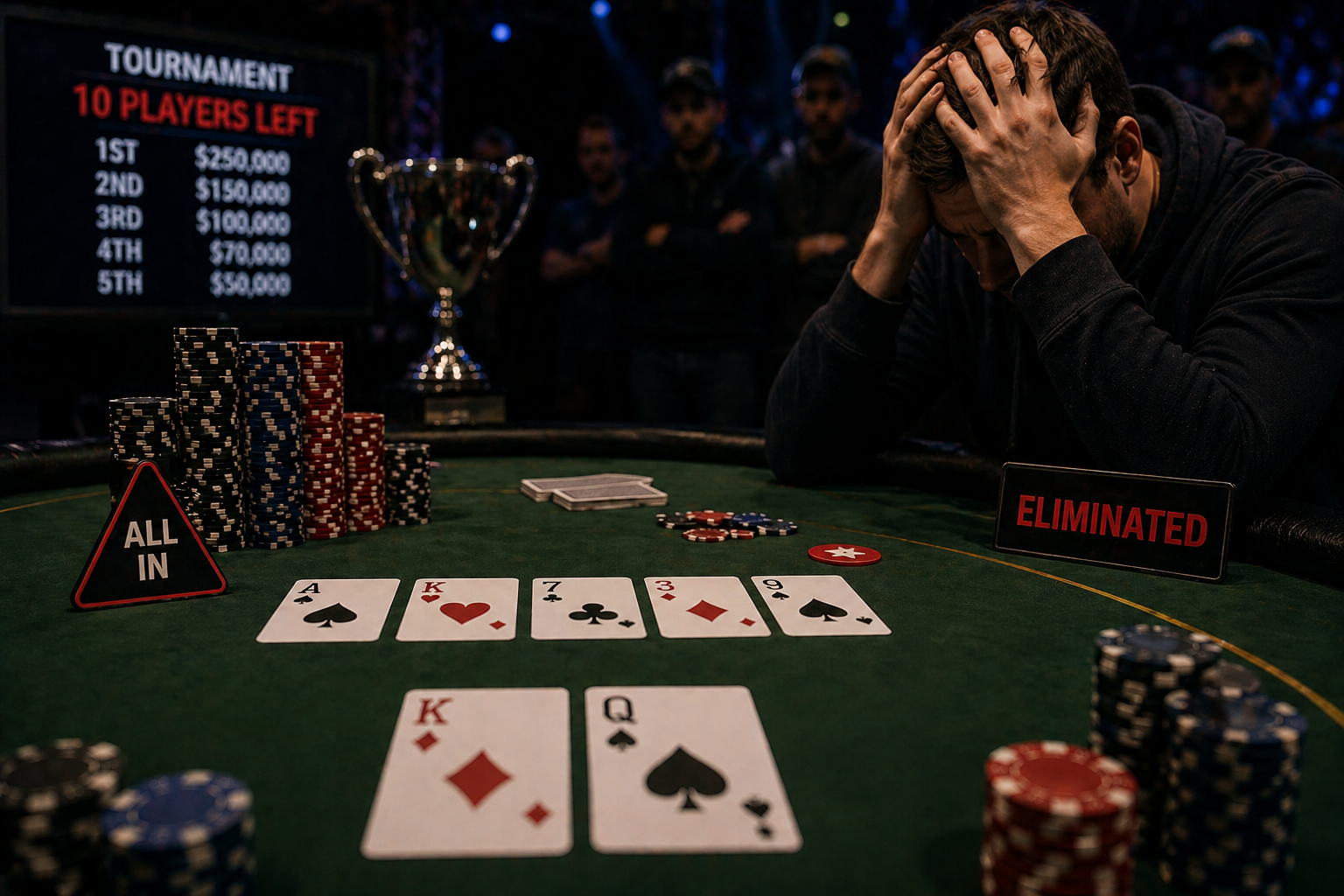
在德州扑克锦标赛中,很多玩家并不是慢慢输掉比赛,而是「一手牌直接崩盘」。从领先筹码到瞬间出局,这种情况往往来自于关键时刻的错误决策,而不是单纯运气不好。这类崩盘手牌通常发生在高压情境,例如ICM压力、筹码对抗或情绪波动之下。真正的问题不是这手牌输了,而是你是否在不该承担风险的时候进入了高风险局。本篇将拆解崩盘关键手的本质,帮助你理解什么样的决策最容易让优势瞬间消失,以及如何避免在关键节点做出致命错误。
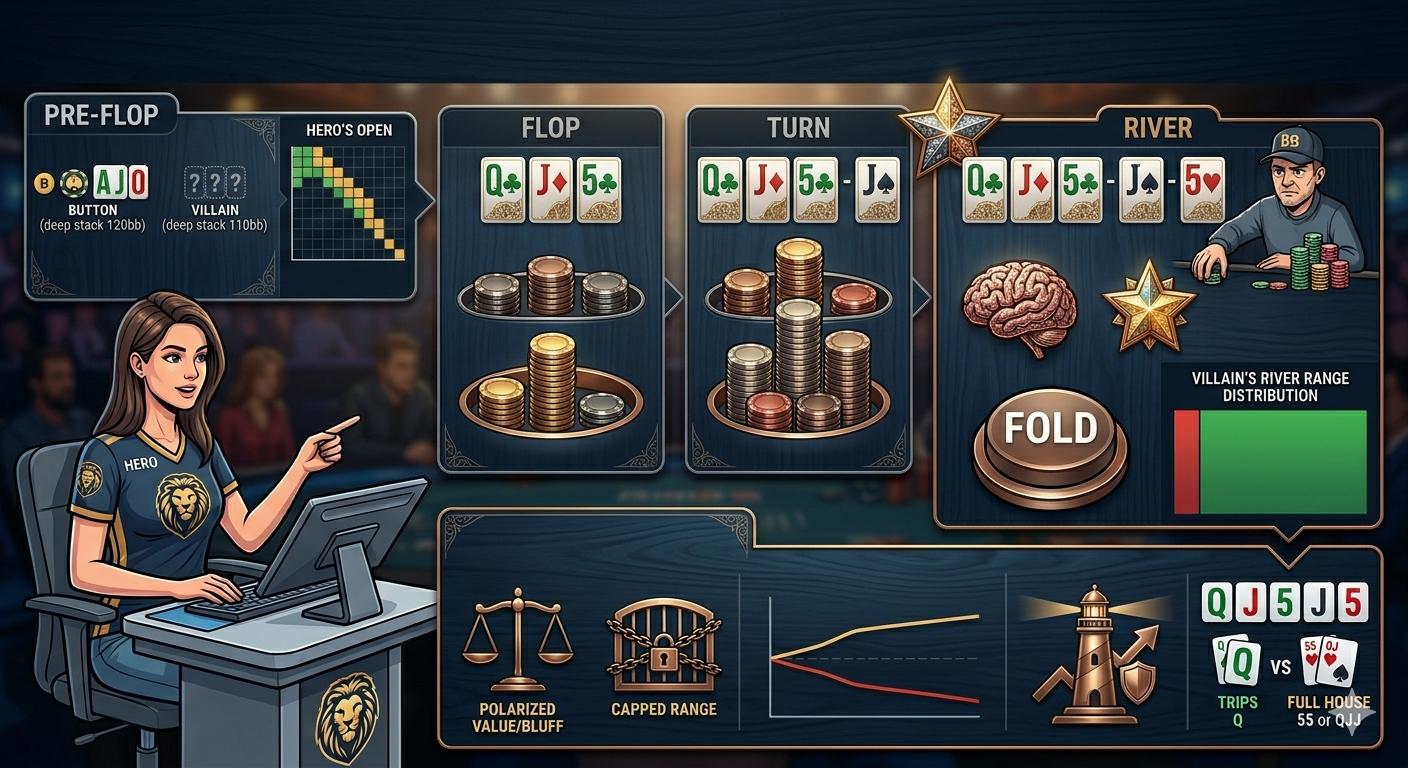
在德州扑克锦标赛中,真正决定结果的,往往不是整体表现,而是一两手关键转折手。这些手牌可能发生在中段,也可能出现在决赛桌,但共同点是:它们改变了筹码结构、压力分布与整体节奏。很多玩家会把输赢归因于「那一手运气不好」,但真正的复盘重点应该是:这手牌的决策是否合理?是否在正确的风险与EV平衡下执行?本篇将透过比赛转折手的解析,帮助你理解什么样的决策会真正影响整场比赛,以及高手如何避免在关键节点犯下致命错误。

在德州扑克锦标赛中,Final Table 的每一手牌,都不再只是单纯的筹码对抗,而是ICM压力、奖金跳跃与风险管理的综合决策。很多玩家在决赛桌会过度保守,错失进攻机会;也有人过度激进,在不该承担风险时崩盘。真正的高手会根据筹码分布、对手覆盖关系、奖金结构与范围对抗,精准调整每一个决策。本篇将透过一手关键决赛桌复盘,完整解析ICM如何影响推进、跟注与弃牌,帮助你理解在高压环境下什么才是长期最优选择。

在德州扑克中,All-in 是最具压力、也最容易被误用的决策之一。很多玩家把全下当成情绪出口,觉得牌够强就直接推,或在不舒服的局面下用All-in 逃避更复杂的思考。真正的高手并不是「敢不敢全下」,而是知道什么时候全下是合理的EV 决策,什么时候只是把整手牌变成高风险错误。无论是翻前shove、短码push-fold、翻牌后保护牌力,还是利用Fold Equity 制造压力,All-in 都必须建立在筹码深度、对手范围、牌面结构与整体路线之上。本篇将完整解析什么时候该全下、什么时候该避免冲动把筹码一次打光,帮助你在高压局面中做出更精准、更有逻辑的决策。

在德州扑克中,很多玩家不是输在技术,而是输在情绪。一次bad beat、一次误判、一次连续输池,都可能让原本正常的决策流程开始崩掉,接着出现乱跟、乱Bluff、急着讨回来、过度进攻或完全失去判断节奏。这种情绪主导决策的状态,就是Tilt。真正稳定盈利的玩家,并不是从不生气、从不沮丧,而是能在情绪升起时,及时辨识、快速降温,避免让一手牌的情绪扩散成整场session 的损失。本篇将完整解析什么是Tilt、它如何破坏你的EV,以及如何建立一套可执行的情绪管理系统,帮助你在高波动环境中维持冷静与决策品质。

在德州扑克中,自信本身不是问题,真正危险的是过度自信。很多玩家一旦连赢几手、抓到几次对手Bluff,或是自认已经懂了某些理论,就开始高估自己的判断能力,低估对手范围与局面复杂度。结果往往不是打得更强,而是出现过度跟注、过度Bluff、过度Hero Call、忽略调整与拒绝复盘等一连串高成本失误。本篇将完整解析什么是过度自信、它如何扭曲你的牌桌判断,以及为什么真正稳定盈利的玩家,不是最有自信的人,而是最能控制自信边界的人。

在德州扑克中,很多玩家不是不知道理论,而是到了实战就脑中混乱、判断失序,最后做出凭感觉的操作。真正的高手之所以能快速做出正确决策,不是因为他们反应比较快,而是因为他们有一套稳定、清楚、可重复的决策流程。从位置、范围、牌面、筹码深度、对手类型到下注尺寸与EV评估,每一个环节都有固定检查顺序。本篇将完整解析高手如何在有限时间内快速整理资讯、排出优先级,并做出更高品质、更能长期盈利的实战选择。

在德州扑克中,最容易让玩家误判自己实力的,不是技术本身,而是结果偏误(Result Bias)。很多人赢了一手牌,就以为自己打得正确;输了一手牌,就怀疑原本其实是高EV的决策。事实上,扑克是一个高方差游戏,单手结果往往无法准确反映决策品质。真正的高手不是用输赢评价一手牌,而是用资讯、范围、概率与EV去评估当下选择是否合理。本篇将完整解析什么是结果偏误、它如何扭曲你的学习与判断,以及如何建立「重决策、不重结果」的长期盈利思维。
很多玩家学过ICM,却依然在泡沫期与决赛桌不断犯错。原因往往不是不懂数学,而是对ICM存在错误理解。本篇将整理最常见的ICM误区,包括过度保守、过度激进、忽略Risk Premium以及错误评估筹码价值等问题
许多玩家认为1000筹码永远等于1000筹码,但在锦标赛中并非如此。当奖金结构与淘汰风险加入考量后,筹码的价值会产生非线性变化。本篇将完整解析筹码价值递减原理、ICM效应,以及为什么赢得100万筹码的价值往往小于失去100万筹码的代价
进入决赛桌(Final Table)是每位锦标赛玩家的目标,但也是ICM影响最强烈的阶段之一。许多在普通阶段正确的决策,到了决赛桌可能完全错误。本篇将完整解析决赛桌EV、奖金跳跃、ICM压力,以及职业玩家如何在高压环境下最大化收益

Push/Fold表(Push/Fold Chart)是短码玩家最重要的工具之一。当筹码量不足时,翻牌后技术的重要性下降,而全压(Push)与弃牌(Fold)的决策变得至关重要。本篇将完整解析Push/Fold表的原理、阅读方式与实战应用技巧
许多玩家认为短码(Short Stack)只能等待好牌,但事实上短码阶段是德州扑克中最需要精准数学计算的时刻之一。当筹码量不足时,Push/Fold策略往往比翻牌后技巧更重要。本篇将完整解析短码EV、Push/Fold逻辑与职业玩家的决策思维
Min Cash(最低獎金)是指德州撲克錦標賽中,玩家剛進入 ITM(In The Money,獎金圈)時可以獲得的最低名次獎金 例如,一場錦標賽前 100 名可以獲獎,而第 81 至第 100 名都獲得 $150,那麼 $150 就是該場比賽的 Min Cash Money Bubble 破裂後,所有剩餘玩家通常至少已經鎖定這筆最低獎金 不過,Min Cash 不一定代表實際盈利。若玩家使用多次 Re-entry、Rebuy 或 Add-on,總投入可能高於最低獎金。過度追求 Min Cash 也可能讓玩家在 Bubble 階段棄掉太多正 EV 機會,導致進入獎金圈後只剩極短籌碼,降低 Deep Run、Final Table 與冠軍機率 真正理解 Min Cash,需要同時分析 Buy-in、總投入、Payout Structure、ITM、Bubble、Pay Jump、ICM、ROI 與籌碼累積價值
Payout Structure(獎金結構)是指德州撲克錦標賽中,總獎池如何分配給不同最終名次的規則 獎金結構會決定多少玩家可以進入獎金圈、Min Cash 金額、各名次之間的 Pay Jump,以及冠軍能獲得多少比例的總獎池。常見類型包括 Top-Heavy Payout(頭重型獎金結構)、Flat Payout(平坦型獎金結構)、Satellite 的等值門票結構,以及 Winner-Take-All 等形式 Payout Structure 不只影響最終獎金,也會直接改變 ICM、Risk Premium、Bubble Strategy、Final Table Strategy、ROI 與 Variance。同樣的籌碼、手牌與位置,在不同獎金結構下,最佳決策可能完全不同 真正理解 Payout Structure,不只是查看冠軍獎金,而是分析整體獎金分布如何影響每個賽事階段的籌碼價值與風險門檻
Heads-Up(簡稱 HU)是德州撲克中僅剩 兩位玩家 對戰的牌局形式,也是錦標賽冠軍誕生的最後階段 由於場上只有兩名玩家,起手牌範圍(Range)、位置(Position)、盲注壓力(Blind Pressure) 與 侵略性(Aggression) 都會與多人桌完全不同。許多在 Full Ring 或 6-Max 屬於棄牌的手牌,在 Heads-Up 中反而可能成為標準 Open 或 Value Bet 真正理解 Heads-Up,不只是知道「剩兩個人」,更需要理解 Position、Range Advantage、ICM、Exploit、Bet Frequency 與心理對抗 等概念
Final Table(決賽桌)是德州撲克錦標賽最後剩餘玩家共同競爭冠軍的階段,也是整場比賽 獎金最集中、ICM 影響最大 的時刻之一 多數 MTT 在剩下 9 位(部分賽事為 8 位) 玩家時進入 Final Table。雖然所有玩家都已經進入獎金圈,但每淘汰一位玩家,都可能迎來一次 Pay Jump(獎金跳級),因此策略與一般牌局有明顯不同 真正理解 Final Table,不只是知道「進入最後一桌」,更需要理解 ICM、Pay Jump、Risk Premium、Stack Distribution、Heads-Up 與冠軍 EV 如何影響每一次決策
ITM 是 In The Money 的縮寫,中文通常稱為「進入獎金圈」或「獲得獎金」。當玩家在德州撲克錦標賽中的最終名次進入官方獎金分配範圍,就代表成功 ITM 例如,一場錦標賽共有 1,000 名玩家,前 150 名可以獲得獎金,只要玩家最終排名第 150 名或更高,就屬於 ITM。剛進入獎金圈所獲得的最低獎金通常稱為 Min Cash ITM 是衡量錦標賽穩定性的重要數據,但不能單獨代表玩家是否盈利。玩家即使擁有很高的 ITM Rate,也可能因多數成績只是 Min Cash 而缺乏長期 ROI;相反地,部分高波動玩家的 ITM Rate 較低,但依靠 Final Table 與冠軍成績仍可能取得更高獲利 真正理解 ITM,需要同時分析 Bubble、Payout Structure、ICM、ITM Rate、ROI、Average Buy-in 與深度晉級能力