



Specific scenario analysis (hand analysis)

This category compiles Texas Hold'em hand reviews and special scenario analyses, providing practical analysis for different player types, betting strategies, GTO and Exploit decisions, and turn and river card judgments, helping players improve their hand reading ability and long-term profit-making mindset.

Poker Blocker Strategy: A diagram illustrating Texas Hold'em blocking strategies, showing how blocking affects the opponent's range, number of combinations, and bluff decisions.

[Blocker Application] What is a blocking sign? How does it influence decision-making?

Poker Strategy / Tutorials, Specific scenario analysis (hand analysis)

In Texas Hold'em, many players focus only on the strength of their own hand, but strong players also ask whether their cards block key combinations in an opponent's range. That is the core idea of blockers. A blocker does not directly make your hand stronger, but it changes the likelihood that your opponent holds certain value hands, draws, or calling combinations, which can significantly influence bluffing, value betting, calling, and folding decisions. Especially on the turn and river, blockers often become one of the most important factors in deciding whether to fire a final barrel. This article explains what blockers are, how they affect range analysis and betting logic, and why blocker awareness is essential for advanced poker decision-making.
In Texas Hold'em, many players only look at the strength of their own hand, but true masters also consider whether "these two cards in my hand are preventing my opponents from holding certain key combinations." This is the core concept of a blocker. Blockers don't directly strengthen your hand, but they change the probability of your opponents having strong hands or draws, thus influencing bluff, value, call, and fold decisions. Especially in Turn and River, blockers often become crucial in determining whether or not to fire the final shot. This article will fully analyze what blockers are, how they affect range judgment and betting logic, and why blockers are an essential tool for advanced players.
A diagram illustrating the check-raise strategy in Texas Hold'em, showing how to change the range structure and apply pressure through counterattacks.

When should you retaliate?

Poker Strategy / Tutorials, Specific scenario analysis (hand analysis)

Check-raise is one of the most powerful and high-pressure moves in Texas Hold'em. While many players respond to bets with calls or folds, strong players know when to fight back. A well-timed check-raise can shift initiative, reshape range dynamics, and put opponents in extremely difficult situations. It is not only a tool for strong hands, but also a key weapon for bluffs and semi-bluffs. This article explains when to check-raise, how to construct a balanced raising range, and how to use board texture, position, and opponent tendencies to execute profitable counterattacks.
Check-Raise is one of the most stressful and pivotal moves in Texas Hold'em. Many players simply call or fold when faced with an opponent's bet, but true masters know when to counterattack, using check-Raise to turn the tide and reshape the entire range's dynamics. Check-Raise isn't just a tool to amplify strong hands; it's also a crucial weapon in bluffing and semi-bluffing. This article will analyze when check-Raise is appropriate, how to construct a reasonable counter-range, and how to leverage board presence, position, and opponent tendencies to make your counter-attack both persuasive and possessing long-term EV.

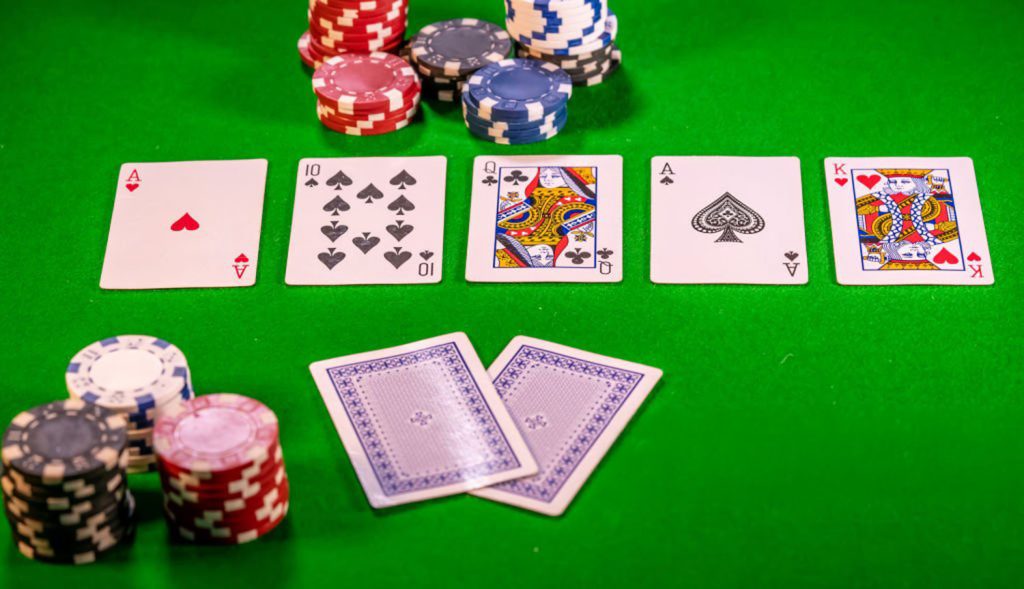
Poker River Strategy: A diagram illustrating how to make the right judgment between value betting and bluffing on the last street.

[River Decision] Should the last street be Value or Bluff?

Poker Strategy / Tutorials, Specific scenario analysis (hand analysis)

In Texas Hold'em, the river is the final decision point of the hand and one of the most expensive places to make mistakes. Many players either become too passive and miss value, or become overly aggressive and bluff in spots that do not make sense. Strong players do not simply ask whether their hand is strong on the river. They also ask what hands remain in the opponent's range, whether worse hands can still call, and whether their line can credibly enough strength to make better hands fold. This article explains how to decide between value betting and represent bluffing on the river by using betting lines, range structure, blockers, and opponent tendencies to maximize EV.
In Texas Hold'em, the River is the final street of the hand, and also the decision point where players are most likely to make high-cost mistakes. Many players, upon reaching the River, either become overly conservative and miss value, or become overly aggressive and bluff into an inappropriate range. True masters on the River don't just ask, "How strong is my hand now?", but simultaneously consider: What hands do my opponents have left? Can I extract value from weaker hands? Can I represent a strong enough range to force my opponents to back down? This article will provide a complete analysis of whether to choose value or bluff on the final street, combining betting lines, range structure, blocking hands, and opponent tendencies to help you make more accurate and higher-EV River decisions.