





The board (the five community cards) is the common information source for all players on the Texas Hold'em table. The board texture not only determines the possible hand types but also directly influences betting, bluffing, and value betting strategies. This article will provide a complete introduction to the definition of the board, board types, board texture, and how expert players analyze the board.
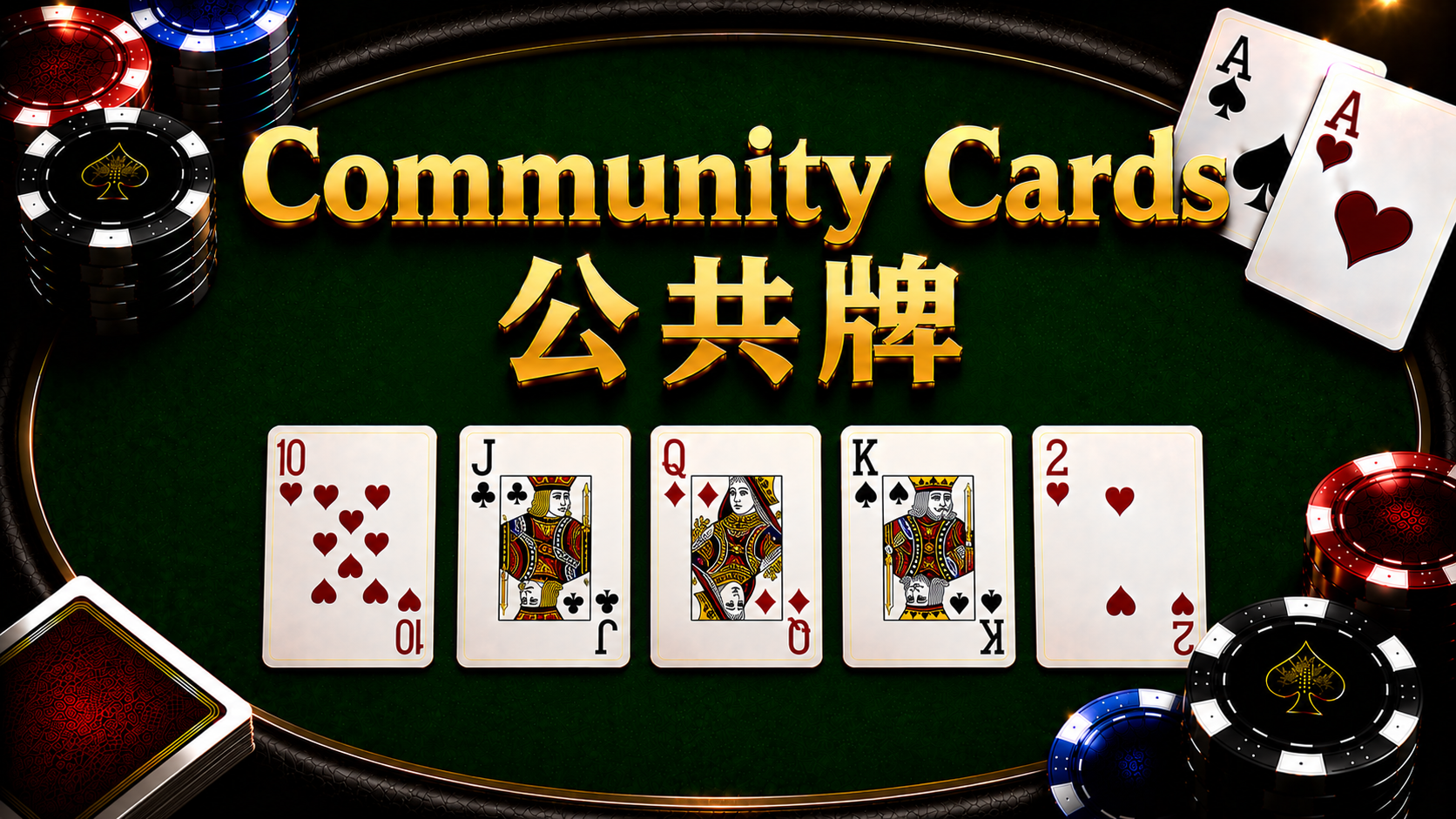
Community cards are the cards shared by all players in Texas Hold'em. There are five community cards in total, dealt through three phases: Flop, Turn, and River. This article will provide a comprehensive overview of the definition of Community Cards, the dealing process, their relationship with Hole Cards, and how community cards influence Texas Hold'em strategy.

Hole cards are the two unique hole cards each player receives in Texas Hold'em, and they form the basis of all decisions. From pre-flop opening, calling, 3-betting to all-in, almost all strategies are built upon the foundation of hand cards. This article will provide a comprehensive overview of the definition of Hole Cards, their differences from the community cards, starting hand classifications, and the importance of hand cards in Texas Hold'em.

A side pot is an extra pot that forms in Texas Hold'em when players with different stacks go all-in. Since short-stacked players cannot continue to contribute, the excess chips form a separate side pot. This article will provide a complete explanation of the definition, formation rules, calculation method, and differences between a side pot and a main pot, helping players correctly understand the prize pool distribution after an all-in.
The Main Pot is a pot in Texas Hold'em that all players who go all-in can compete for. In multi-way pots with varying stack sizes, both the Main Pot and Side Pots can exist simultaneously. This article will provide a complete overview of the Main Pot's definition, formation process, differences from Side Pots, and the actual allocation rules in all-in situations.