


Specific scenario analysis (hand analysis)

This category compiles Texas Hold'em hand reviews and special scenario analyses, providing practical analysis for different player types, betting strategies, GTO and Exploit decisions, and turn and river card judgments, helping players improve their hand reading ability and long-term profit-making mindset.

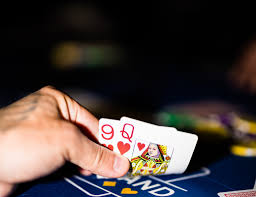
This diagram illustrates marginal hands in Texas Hold'em, showing how they can lead to poor decision-making when position, range, and post-flop playability are insufficient.

Why do expert players rarely play marginal hands?

Poker Strategy / Tutorials, Specific scenario analysis (hand analysis)

In Texas Hold'em, many players lose money not because they misplay strong hands, but because they too often stubbornly play hands that are "almost playable." These hands are known as marginal hands. They don't seem too weak and can occasionally hit decent hands, making them particularly easy for players to overestimate their value. However, true masters rarely cling to these hands in unfavorable situations because they know that the biggest problem with marginal hands isn't that they're completely unplayable, but rather that they easily lead you into high-risk, low-value situations that are prone to subsequent mistakes. This article will provide a complete analysis of what marginal hands are, why masters rarely play them, and how to avoid turning "seemingly okay" hands into a long-term source of losses based on position, opponents, chip stacks, and hand structure.

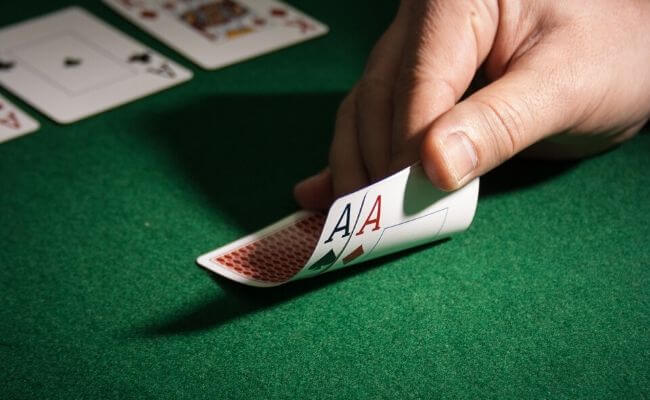
Poker Slow Play Strategy: A diagram illustrating how slow play in Texas Hold'em makes judgments based on board safety, opponent's aggressive tendencies, and value maximization.

[Slow Play Judgment] When should you slow play?

Poker Strategy / Tutorials, Specific scenario analysis (hand analysis)

In Texas Hold'em, slow playing is attractive because it creates the illusion of weakness and may allow an opponent to keep betting into a monster hand. But the real issue is that many players slow play in the wrong spots, giving up value and protection while turning strong hands into unnecessarily risky situations. Strong players do not slow play automatically just because they have a big hand. They first evaluate board safety, opponent aggression, range protection, and whether slow playing truly has more EV than betting directly. This article explains when slow play makes sense, when it does not, and how to turn it from a flashy move into a disciplined value strategy.
In Texas Hold'em, slow play seems appealing because it offers the opportunity to feign weakness and whet the opponent's chips. However, the real problem is that many players don't slow play at the right time, but rather in the wrong situations, abandoning value and protection, ultimately ruining what could have been a consistently profitable hand. True masters don't automatically slow play just because they have a strong hand; they first assess the board safety, the opponent's continued aggressiveness, whether their range needs protection, and whether slow play truly offers higher EV than betting. This article will provide a comprehensive analysis of when to slow play, when not to feign weakness, and how to transform slow play from a performative maneuver into a truly logical value strategy.

Poker Missed Board Strategy: A diagram illustrating strategies for missing hands in Texas Hold'em, showing how to make the right decisions based on range, board position, and Fold Equity when you miss a hand.

[Missed Card] What should I do if I missed?

Poker Strategy / Tutorials, Specific scenario analysis (hand analysis)

One of the most common and most misunderstood situations in Texas Hold'em is missing the board completely on the flop. Many players see no pair and no draw, then immediately give up. Others do the opposite and fire automatically with air, hoping to force the pot away. Strong players do not treat “missing the flop” as a single answer. They evaluate range advantage, opponent defense frequency, board texture, positional dynamics, and how the hand can continue on future streets. This article explains how to play missed boards correctly, when to c-bet, when to control the pot, and when to simply give up, so even air hands can be played with logic and EV.
One of the most common and error-prone situations in Texas Hold'em is missing the entire board after the flop. Many players fold immediately upon seeing they have no pair or draw; others, conversely, habitually fire recklessly after missing, trying to take the pot. True masters don't treat "missing the board" as a single answer, but rather assess their range advantage, their opponent's defense, the board structure, positional relationships, and the potential for further street extensions. This article will provide a comprehensive analysis of how to play when missing the board: when to C-bet, when to control the pot, and when to fold, helping you play even seemingly empty hands logically and with high potential earnings (EV).