




In Texas Hold'em, truly advanced thinking isn't about guessing your opponent's two cards, but about determining their "possible hand range." This article will guide you through building the foundation of range thinking, teaching you how to quickly narrow down your opponent's range through position, pre-flop action, and post-flop betting, and understanding how the board affects your judgment. Through simple and practical methods, even beginners can quickly advance from "guessing cards" to "range decision-making," reducing errors and improving overall decision-making quality.
How to Play Poker: 10-Minute Beginner's Guide (Rules & Gameplay)
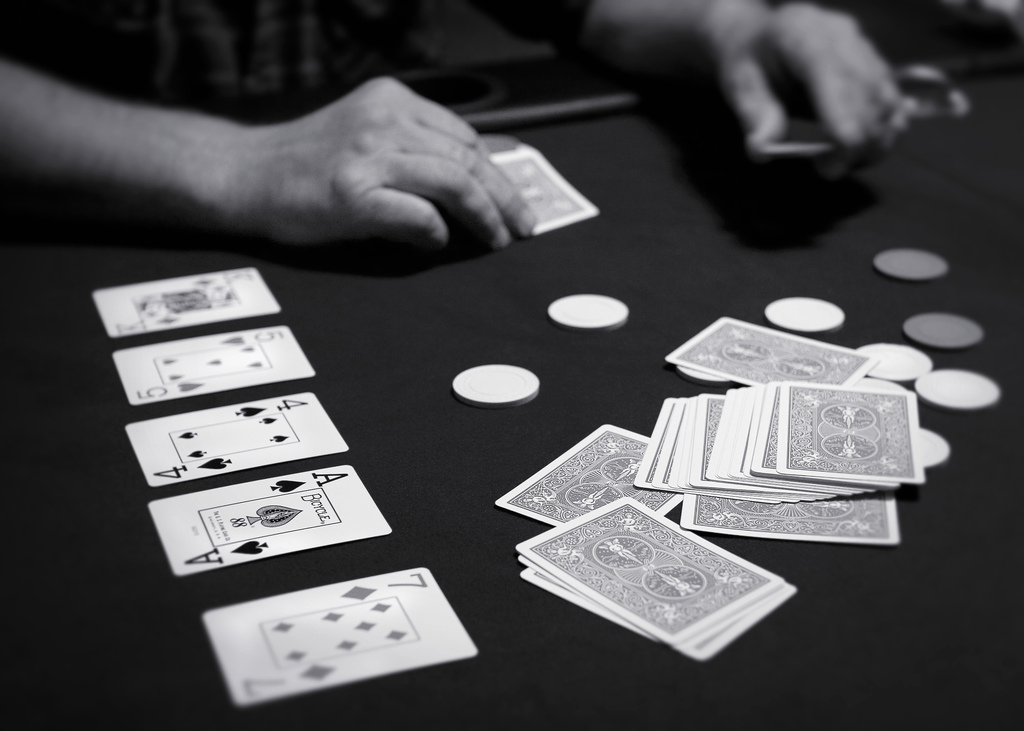
In Texas Hold'em, many players believe they are "reading" the cards, but in reality, they are simply guessing whether their opponent has that particular hand. This is the most common problem with range misjudgment. True analysis is not about locking onto a single hand, but about gradually narrowing down the range their opponent might hold based on position, actions, bet sizing, board texture, and the entire board. If you don't understand range, common results include: overestimating your opponent's bluff, underestimating their value, treating medium-strength hands as monsters, and viewing polarized boards as random play, ultimately leading to low-quality pay-offs or low-quality attacks at crucial decision points. This article will fully analyze the analytical errors caused by a lack of range understanding, how they continuously undermine your judgment, and how expert players truly use range thinking to dissect the hand.

In Texas Hold'em, many players believe that emotions are merely "outside the table," and that skill is the truly important factor. However, emotions are, in fact, an integral part of skill. When you experience bad beats, anger, resentment, anxiety, a desire to prove yourself, a need to win immediately, or excessive excitement due to a winning streak, these emotions directly alter your betting sizing, calling threshold, bluffing frequency, and overall judgment. What truly causes players to lose money in the long run is often not a single mistake, but rather the continuous infiltration of emotions into the decision-making process, turning what should be a rational game into emotionally driven payouts and impulsive decisions. This article will provide a comprehensive analysis of how emotions affect your decisions, why they become hidden leaks, and how expert players manage their emotions to maintain long-term, stable profitability.

In Texas Hold'em, many players believe that larger bets create more pressure and make opponents more prone to mistakes. However, the real issue is that over-betting doesn't necessarily equate to high-quality pressure. Often, it turns a potentially profitable situation into a high-volatility, inefficient, or even negative EV play against the wrong boards, ranges, and opponents. The cost of over-betting isn't just scaring away opponents; it can disrupt your value collection, cause excessive bluff imbalance, narrow your opponent's continuation range, and even render your entire betting strategy unreliable. This article will provide a comprehensive analysis of why over-betting can be detrimental, which situations are unsuitable for aggressively betting large stakes, and how expert players choose truly effective betting sizes based on the board, range, opponents, and betting objectives.
In Texas Hold'em, many players believe that betting too small simply means "losing a little value," but the real problem goes far beyond that. Betting too small not only reduces your winnings, but also damages your Value, Protection, and Fold Equity. It weakens the pressure you should be applying, diminishes the value you should be collecting, and even allows your opponents to achieve benefits they shouldn't have at a low cost. Many players struggle in the long run not because they don't know how to bet, but because they are afraid to bet big when they should and don't punish enough when they should. This article will fully analyze the problems with betting too small, how it causes you to continuously lose EV, and how expert players choose truly effective bet sizing based on the board, opponents, range, and line of play.
In Texas Hold'em, many players, when given a strong hand, don't immediately focus on extracting value, but rather on how to "act" like they have no hand at all. This is the most common misconception about slow play. Slow playing itself isn't wrong; the real problem is that too many people deliberately hide their strong hands on boards where they shouldn't slow play, against opponents who won't pay out, or in situations where they need to protect their hand strength. Ultimately, this either results in less value extraction or being overtaken and losing large pots. True masters don't automatically feign weakness just because they have a strong hand; instead, they first assess board safety, the opponent's aggressive tendencies, range protection, and subsequent pot-building capabilities. This article will provide a complete analysis of why slow play leads to large pot losses, which slow plays are actually advanced mistakes, and how to turn strong hands into genuine long-term value propositions.
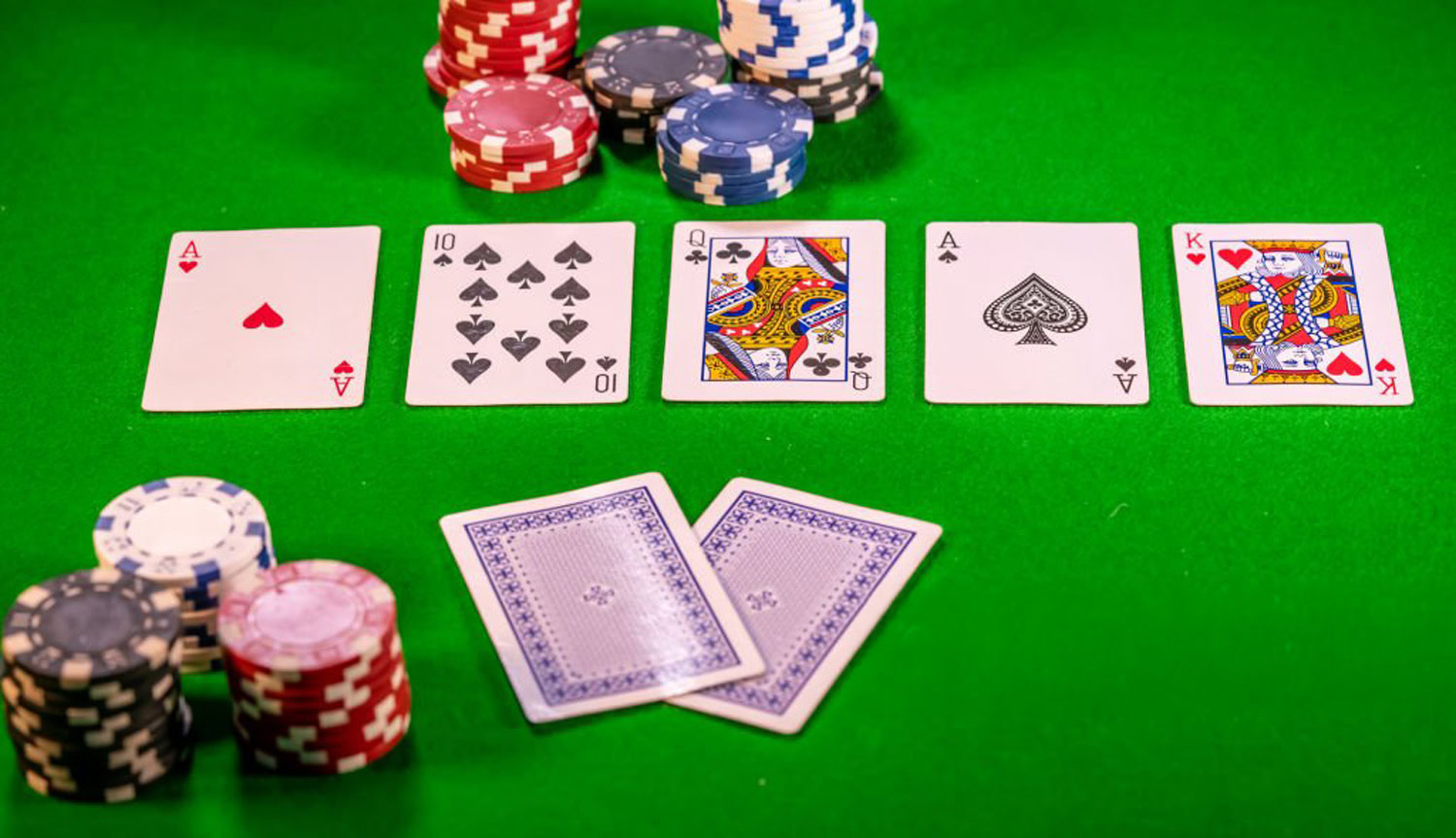
In Texas Hold'em, the river is the final decision point of the hand and one of the most costly places to make mistakes. Many players either become too passive and miss value, or become overly aggressive and bluff in spots that don't make sense. Strong players don't simply ask whether their hand is strong on the river. They also ask what hands remain in the opponent's range, whether a worse hand can still call, and whether their line credibly represents enough strength to make a better hand fold. This article explains how to decide between value betting and bluffing on the river by using betting lines, range structure, blockers, and opponent tendencies to maximize EV. Can I get value from worse hands? Can I force my opponent to back down with a strong enough range? This article will provide a complete analysis of whether to value or bluff on the last street, and combine betting lines, range structure, blocking hands, and opponent tendencies to help you make more accurate and EV-enhancing River decisions.
In Texas Hold'em, firing the flop is relatively easy. The real difficulty often comes on the turn: should you keep barreling or slow down? Many players c-bet the flop, then hesitate on the turn, unsure whether to continue applying pressure or fold. In reality, the turn is one of the most important decision points in a betting line because it significantly reshapes ranges, fold equity, and overall EV. This article explains when a second barrel makes sense, when checking is better, and how to combine board development, opponent ranges, and river planning to make more precise and profitable turn decisions. This article will provide a complete analysis of when it is appropriate to fire a second shot, when it is appropriate to stop, and how to combine changes in the hand, the opponent's range, and subsequent River Plans to make your turn decisions more accurate, logical, and more consistently profitable.
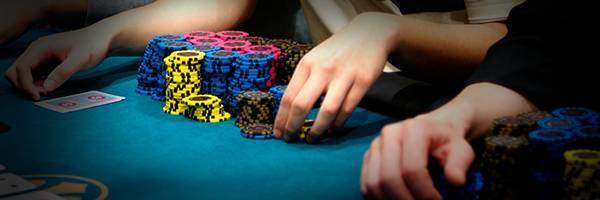
A c-bet, or continuation bet, is one of the most common and most misunderstood postflop strategies in Texas Hold'em. Many players fire automatically on the flop after raising the preflop, but strong players do not bet simply because they had the initiative. Instead, they consider board texture, position, range advantage, opponent type, and future street planning before deciding whether to continue. This article explains what a c-bet is, when it should be used, when it should be checked back, and how to turn c-betting from a habit into a profitable strategic weapon. (Texas Hold'em, Texas Hold'em tutorials, Texas Hold'em strategies, advanced Texas Hold'em tutorials, C-bet strategy, continuation betting, Poker C-bet Strategy, Continuation Bet Poker, Cbet Poker Strategy, Texas Hold'em post-flop strategy, flop strategy, Texas Hold'em betting strategy, Texas Hold'em aggressive strategy, Fold Equity, hand range analysis, range thinking, Texas Hold'em board reading) Poker EV Mindset, Poker Decision Models, Texas Hold'em Practical Analysis, Flop C-bet, Turn Barrel, River Planning, Texas Hold'em Pressure Strategies, Poker Bluffing Strategies, Poker Value Betting, GTO Basics, Exploit Playing Strategies, Poker Pro Mindset, Hunter Poker Tutorial

In Texas Hold'em, many players believe they must win at showdown, but strong players know that a large part of profitability comes from making opponents fold. That is fold equity: the value you gain when your bet, raise, or pressure causes an opponent to fold hands that still had a chance to win. Fold equity is not only the foundation of bluffing but also a core element of modern aggressive poker strategy. Once you understand it, you realize that even hands with limited current strength can win the pot through well-structured pressure. This article explains what fold equity is, how it affects EV, and how to apply it effectively across different positions, boards, and range battles. Once you understand fold equity, you'll know which hands, even if they're not strong right now, can still win pots with the right pressure structure. This article will provide a complete analysis of what Fold Equity is, how it affects your EV, and how to build more effective pressure strategies in different positions, boards, and range matchups.
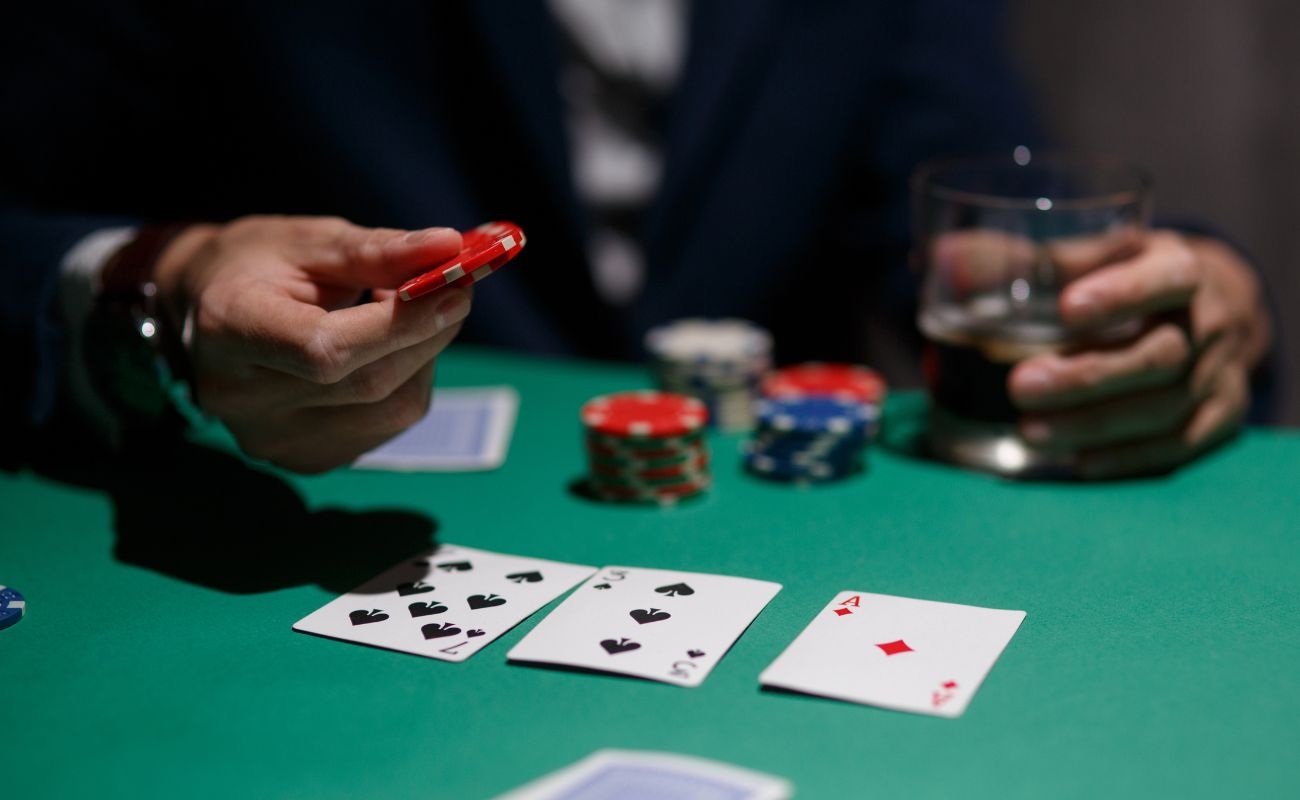
In Texas Hold'em, many players think street by street: what to do on the flop, then react on the turn, and decide again on the river. Strong players don't operate that way. Before betting on the flop, they often already have a plan for the entire line. A betting line isn't just about whether to bet now, but about making flop, turn, and river actions work together toward a single strategic goal. This article explains how to build complete betting lines based on board texture, position, range advantage, and opponent tendencies, so your decisions become more logical, more pressuring, and more profitable in the long run. This article will analyze how to design a complete betting strategy based on the board, position, range advantage, and opponent's tendencies, avoiding playing each street separately, making your decisions more logical, more stressful, and improving long-term EV.
Many players know they need to value bet and bluff, but the real challenge lies in balancing the two. Too much bluff will encourage opponents to call more; too little bluff will lead to easy folds. This article will provide a comprehensive analysis of the EV balance between value and bluff ratios, and how professional players build betting ranges that cannot be exploited.
One of the biggest differences between GTO and Exploit is the bluffing frequency. GTO aims for balance, preventing opponents from exploiting vulnerabilities; Exploit, on the other hand, proactively adjusts the bluffing frequency based on opponent weaknesses, aiming for maximum EV. This article will fully analyze the core differences between these two mindsets and how professional players switch strategies in actual gameplay.

While GTO strives for balance, the real profits often come from exploits. When opponents show obvious weaknesses, professional players will deliberately deviate from a balanced strategy, creating higher EV through exploit buffs. This article will provide a complete analysis of how to identify weak opponents and how to leverage their habits to improve buff success rates.
Many players know that over-bluffing will lose them money, so they choose to bluff almost never. However, under-bluffing can also result in significant EV loss. When your betting range lacks bluffing, your opponents can easily fold, causing your value hands to miss out on maximum gains. This article will provide a complete analysis of the problems with under-bluffing and the balancing strategies of professional players.

Many players believe that "the more aggressive, the stronger," so they constantly increase their bluffing frequency. However, when the bluffing ratio exceeds a reasonable range, opponents will start calling heavily, causing EV to drop rapidly. This article will fully analyze the mathematical problems of over-bluffing and why many players, despite being very aggressive, still suffer long-term losses.
Freezeout(淘汰賽/凍結賽)是指每位玩家只有一次參賽機會,當全部籌碼歸零後便正式淘汰,不能重新買入、重新參賽或補充籌碼的撲克錦標賽形式 Freezeout 可以是 MTT,也可以是 SNG。它與 Re-entry(重新參賽)、**Rebuy(重新買入)**最大的差異,在於玩家被淘汰後無法再次回到比賽。因此,每一次 All-in、每一次高方差決策與每一枚籌碼都具有更明顯的生存價值 不過,Freezeout 並不代表玩家應該極度保守。早期仍應以正 Chip EV 決策為基礎,隨著比賽接近 Bubble、獎金圈與 Final Table,再逐步加入 ICM、Risk Premium 與獎金跳躍等因素
SNG(Sit & Go)是指不設固定開賽時間,當指定參賽人數坐滿後便立即開始的撲克錦標賽。傳統 SNG 最常見的是 6 人、9 人或 10 人單桌錦標賽,因此也常被稱為 STT(Single-Table Tournament,單桌錦標賽) 與 MTT 相比,SNG 的參賽人數較少、比賽時間較短、獎金結構較簡單,但由於獎金集中於少數名次,ICM、Bubble、Risk Premium、Push/Fold 與短籌碼策略仍然非常重要 SNG 前期通常以 Chip EV 與穩健累積籌碼為主;隨著盲注升高及接近獎金圈,玩家需要根據籌碼量、位置、對手範圍與獎金結構調整開池、全下、跟注與防守策略
MTT(Multi-Table Tournament,多桌錦標賽)是德州撲克中由多張牌桌同時進行、隨著玩家淘汰而合併牌桌,直到產生最終冠軍的錦標賽賽制 與現金桌(Cash Game)不同,MTT 使用固定起始籌碼,盲注會隨時間持續提升,玩家一旦失去全部籌碼便遭淘汰(部分賽事提供 Re-entry 或 Rebuy)。由於獎金採名次分配,因此 ICM(Independent Chip Model)、籌碼價值與生存價值都是 MTT 的核心概念 MTT 不只是比誰贏得最多底池,而是比誰能在不同賽事階段做出最具 EV 與 ICM 價值的決策
Unknown Player(未知玩家)是德州撲克中指缺乏足夠資訊、沒有歷史樣本或無法判斷打法傾向的對手 Unknown Player 並不是一種玩家風格,而是一種資訊狀態。由於缺乏 HUD 數據、Showdown 紀錄或歷史對局資訊,玩家通常無法立即判斷對方是 TAG、LAG、Fish、Reg 或 Recreational Player 面對 Unknown Player,最佳策略通常是以 GTO 或 Population Tendency 作為初始基準,隨著樣本增加,再逐步轉向 Exploit
Tight Player(緊玩家)是德州撲克中指翻前只選擇較高品質起手牌(Strong Starting Hands),較少參與底池(Low VPIP)的玩家 Tight 並不是技術等級,而是一種翻前策略風格。緊玩家可能是 TAG(緊凶玩家)、Nit(超緊玩家),也可能是高水平職業玩家。真正的 Tight Player 並不是害怕玩牌,而是懂得放棄長期負 EV 的起手牌,把籌碼投入更有利的局面 面對 Tight Player,玩家應觀察其 VPIP、PFR、3-Bet 與 Fold Frequency,再判斷是否存在過度保守、過度棄牌或 Bluff 不足等漏洞,並透過 Exploit 做出相應調整