





The Texas Hold'em starting hands chart is the most important basic tool in Texas Hold'em. This article provides a complete starting hands chart and positional strategy to help beginners quickly determine which hands to play, improving decision-making and win rate.
How to Play Poker: 10-Minute Beginner's Guide (Rules & Gameplay)
How to play Texas Hold'em? This article fully introduces the rules of Texas Holdem, the hand flow (Preflop / Flop / Turn / River), the betting action (Check / Bet / Call / Raise / Fold) and the card size, to help novices quickly understand the gameplay of Texas Holdem in 10 minutes.
Why is position important in Texas Hold'em? This article analyzes the differences between early, middle, and late positions and the advantages of the BTN (Block Tone), explaining why late position has an informational advantage, enabling more effective pot control and improved decision-making and win rate.
Learning the betting action of Texas Holdem is the first step in understanding the strategy of the hand. This article fully introduces the common Check, Bet, Call, Raise, and Fold actions of Texas Hold'em, and explains the betting process, Bet Size, and C-Bet continuous betting strategies to help novices quickly understand the betting logic of Texas Hold'em.

In Texas Hold'em, range is the core of all decision-making. This article will guide you through the key thinking of poker range strategy, teaching you how to deduce your opponents' holding range from their actions, and how to use range vs. range to make more accurate betting, pot control, and attacking decisions, comprehensively improving your long-term profitability.
In Texas Hold'em, check-raise is a high-pressure, high-reward offensive defensive technique. This article will guide you through the core logic of the check-raise strategy, analyzing when to induce your opponent to bet and then raise, and how to combine value and semi-bluff to create pressure, helping you effectively control the pace of the game and improve profitability post-flop.

In Texas Hold'em, delayed c-betting is an underrated but highly profitable technique. This article will guide you through the core logic of the delayed c-bet strategy, analyzing when to check on the flop and then attack on the turn, helping you apply pressure at the right time, increase your success rate, and optimize your overall decision-making.
In Texas Hold'em, the key to consistently high profitability over the long term lies not just in mastering skills, but in developing your own strategy system. This article delves into the core concepts of the Texas Hold'em strategy system, guiding you from imitating standard play to understanding, systematizing, and ultimately forming your own personal style. When your decisions are consistent and replicable, you will no longer rely on intuition but will consistently profit with a stable playing style—a crucial step for advanced players towards the professional level.
In Texas Hold'em, even with the right decisions, short-term wins and losses can fluctuate. This article delves into the core concepts of Texas Hold'em mental game and poker variance, helping you understand why even the right play can result in losses, and how to maintain decision-making quality through a stable mindset and emotional control (tilt). When you can accept volatility, focus on long-term EV, and avoid emotional decision-making, you will progress from "being a good player" to "being consistently profitable," which is a key ability to become a long-term winner.
In Texas Hold'em, the reason most players fail to profit in the long run isn't because they don't know how to play, but because they consistently make the same mistakes. This article delves into Texas Hold'em poker leaks, helping you identify the most common strategic flaws, such as over-bluffing, fear of value, poor pot control, and emotional decision-making, and provides clear methods for correcting them. When you begin to correct these recurring errors, your win rate and consistency will significantly improve, a crucial step from an average player to a consistently profitable one.
In Texas Hold'em, what truly differentiates players in terms of profitability isn't standard playing style, but rather the ability to adapt to their opponents. This article delves into the Texas Hold'em exploit strategy, teaching you how to identify different players' habits and weaknesses, and how to maximize profits by adjusting value, bluff, and overall strategy. When you learn to exploit your opponents' mistakes, rather than relying solely on theory, you'll progress from "playing correctly" to "consistently reaping the rewards"—the core competency of long-term profitable players.
In Texas Hold'em, what truly determines long-term success or failure is not the outcome of a single hand, but the expected value (EV) of each decision. This article delves into the core concepts of Texas Hold'em EV and expected value poker, explaining why winning a hand doesn't necessarily mean you played correctly, and losing a hand doesn't necessarily mean you played wrong. It also guides you through understanding how to use win rate, odds, and long-term thinking to determine whether an action is truly profitable. By developing an EV mindset, you will progress from "playing by feel" to "making decisions using mathematics and logic," which is the watershed between an average player and a consistently profitable one.
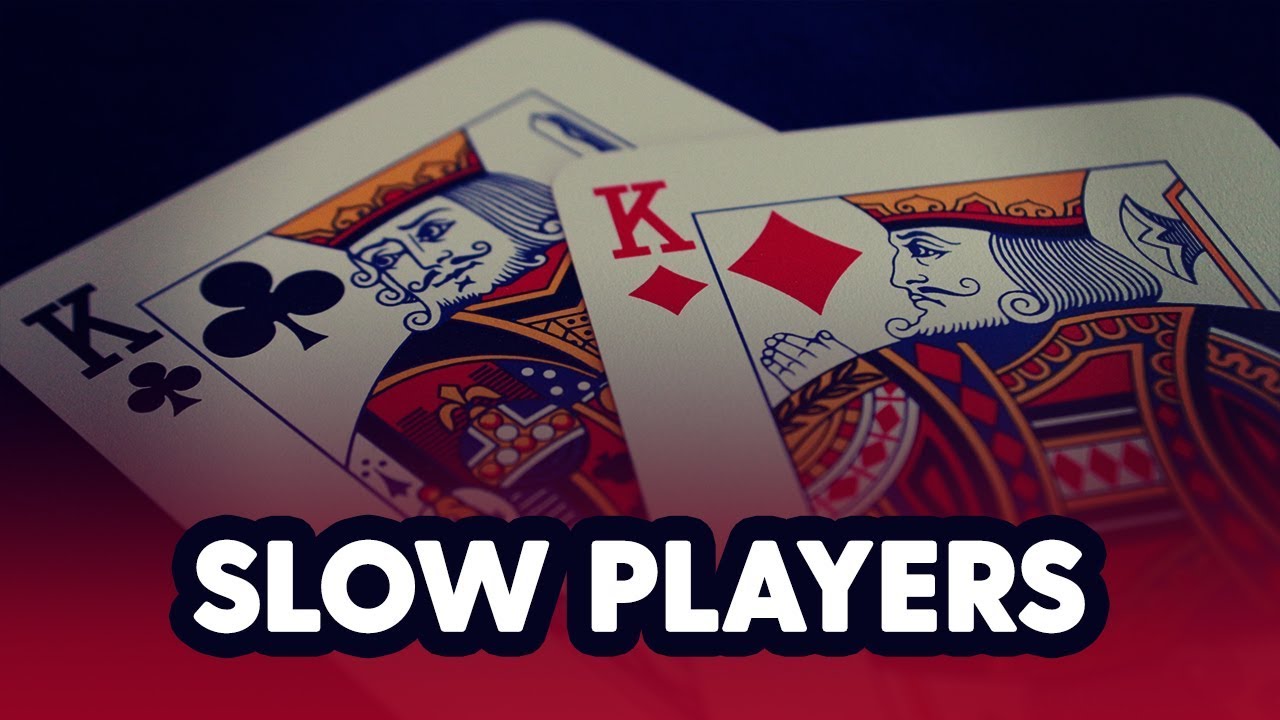
在德州撲克中,很多玩家拿到強牌時,第一反應不是怎麼拿價值,而是怎麼「演」得更像沒牌。這就是 Slow Play 最常見的誤區。慢打本身不是錯,真正的問題是太多人在不該慢打的牌面、對不會主動出錢的對手、或需要保護牌力的局面裡,硬把強牌藏起來,最後不是少拿價值,就是直接被反超輸掉大池。真正的高手不會因為牌很大就自動裝弱,而是先判斷牌面安全性、對手進攻傾向、範圍保護與後續建池能力。本篇將完整解析 Slow Play 為什麼會輸大池、哪些慢打其實只是高級失誤,以及如何把強牌打成真正長期賺錢的價值線。
在德州撲克中,很多玩家真正大量漏錢的地方,不是翻前,也不是翻牌,而是最後一街。明明前面都還能冷靜判斷,到了 River 卻突然不想放棄,總覺得「他也可能在唬」、「我都跟到這裡了」、「這手牌看起來不算太差」。這就是典型的「不會棄牌」漏洞。它最大的問題,不是偶爾被 Value Bet 打到,而是你會在一個最昂貴、最極化、最需要精準判斷的街道上,反覆做出低品質支付。本篇將完整解析為什麼很多人總是輸在最後一街、不會棄牌背後的心理與策略原因,以及高手如何用範圍、Pot Odds、Blocker、下注路線與對手傾向,做出真正高品質的 River Fold 或 River Call。
在德州撲克中,很多玩家以為只要敢 Bluff、會施壓,就代表自己打法進階了。但真正的問題是:Bluff 並不是越多越強,當你的詐唬頻率超過合理區間,整體策略就會開始失衡。過度 Bluff 最大的代價,不只是被抓,而是你會在錯的牌面、錯的對手、錯的路線上,持續把原本可以保住的EV送出去。真正的高手不是不 Bluff,而是知道哪些局面值得 Bluff、哪些候選牌品質夠好、哪些對手會棄牌,以及什麼時候該停手。本篇將完整解析過度 Bluff 的代價、它如何破壞你的整體策略結構,以及如何建立更平衡、更有EV的施壓邏輯。
In Texas Hold'em, many players' biggest mistake isn't playing too aggressively, but rather playing with too much reluctance to give up. As long as there's a sliver of hope, as long as they feel their opponent might be bluffing, as long as they've already invested some chips, they can't resist calling all the way to the end. This is overcalling. It doesn't seem like a big mistake because each call is just "adding a little more," but the truly dangerous part is that this low-quality payout will bleed you out over the long term, slowly giving away potential earnings that could have been preserved. This article will provide a complete analysis of why constantly calling will make you lose money, in which situations calling is actually unreasonable, and how expert players make higher-quality continuation or folding decisions based on range, odds, blockers, and opponent's lines.

Long-term EV Poker Strategy is one of the core mental models in Texas Hold'em, determining whether a player can achieve consistent profitability. Through the concept of Expected Value (EV), players should evaluate each decision based on long-term average returns, rather than short-term results. This article uses real-world hand analysis to explain how to distinguish between correct decisions and short-term wins and losses, and analyzes the impact of volatility on outcomes. When players can develop a long-term EV mindset, focusing on the quality of decisions rather than the results, they will achieve stable and consistent profitability.
很多新手第一次接觸德州撲克時,最常問的問題就是:「德州撲克到底要怎麼贏錢?」表面上看,這像是在問技巧;但真正的答案,其實是一整套思維系統。會贏錢的人,不是因為某一手 Bluff 很精彩,也不是因為運氣比較好,而是因為他們能長期做出比對手更高品質的決策。從翻前起手牌選擇、位置優勢、範圍判斷、下注邏輯,到結果偏誤、情緒控制與長期EV,真正的盈利能力從來不是單點技巧,而是整體系統的穩定輸出。本篇將完整解析德州撲克怎麼贏錢,幫助你從「只會玩牌」進化到「真正理解怎麼長期盈利」。
在德州撲克中,術語(Poker Terms)不只是溝通工具,更是一套完整的思維語言。當你開始接觸策略、觀看高手對局或閱讀分析文章時,會發現幾乎所有內容都圍繞著各種專業用語:C-bet、Range、EV、Bluff、Blocker 等。如果沒有理解這些術語,你即使會玩牌,也很難真正理解遊戲深度。本篇將從新手到進階,系統整理德州撲克常見術語,涵蓋基本動作、牌局流程、位置概念與策略用語,幫助你快速建立一套能理解、能思考、能進階的撲克語言系統。

In Texas Hold'em, hand ranking and comparison rules are the most fundamental core of all decision-making. Many beginners spend a lot of time learning strategies and bluffing, but make mistakes in the most basic hand ranking, leading to misunderstandings of the entire hand. The outcome of Texas Hold'em is not about who has the "better feel" with their hand, but about who can build the strongest 5-card hand with 7 cards (2 hand cards + 5 community cards). This article will provide a complete analysis of the ranking of all hand rankings from highest to lowest, how to compare hands in practice, how the kicker determines the outcome, and the most common hand ranking mistakes made by beginners, helping you build the most solid foundation.
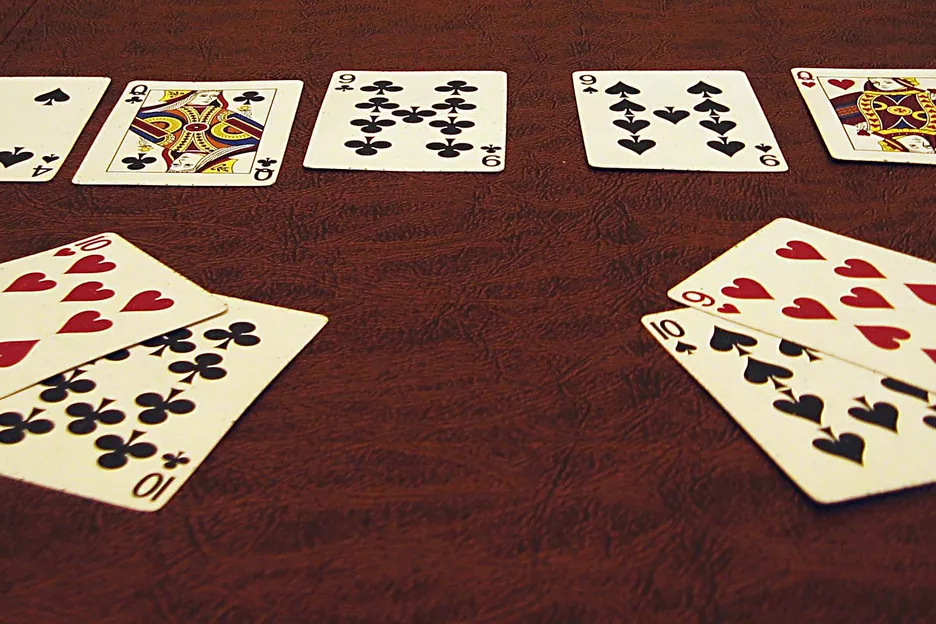
Texas Hold'em is popular worldwide not only because of its relatively simple rules, but also because it combines probability, psychology, position, information, and decision-making. For beginners, the most important first step is not to rush into learning Bluff or advanced strategies, but to truly understand the rules, the flow of a hand, betting methods, hand comparison logic, and how to determine the winner. If the basic rules aren't clear, learning more strategies later will easily be based on misunderstandings. This article will guide you through the complete process of playing Texas Hold'em, from two hands and five community cards to the Preflop, Flop, Turn, and River, helping you quickly establish a correct and solid foundation of basic knowledge.
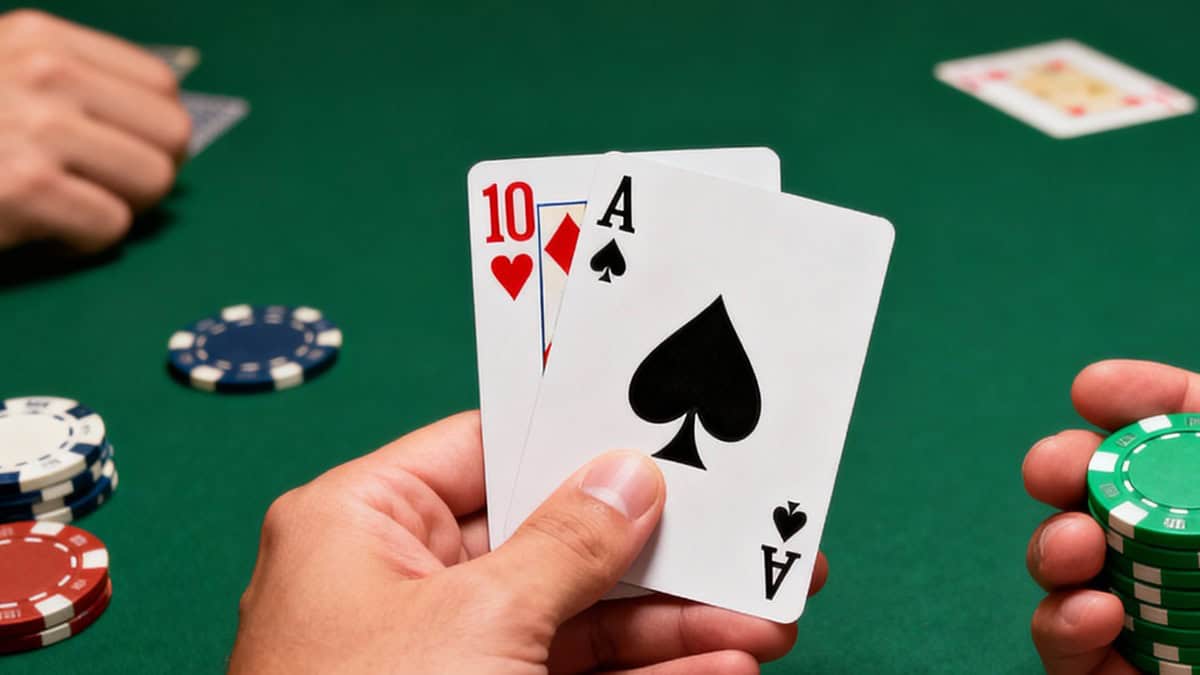
In Texas Hold'em, many beginners believe that as long as they play well after the flop, their skills will gradually improve. However, the real problem often lies much earlier: you pick too many wrong hands from the start. This is why starting hands are so crucial. Pro players aren't necessarily amazing after the flop; they're good at eliminating many low-EV situations pre-flop. Starting hand selection directly impacts your positional advantage after entering the pot, the risk of being dominated, the difficulty of subsequent decisions, and your overall long-term profitability. This article will provide a complete guide to starting hands for beginners, helping you understand which hands are worth playing, which hands should be folded, and why "good hand picking" often determines your win or loss earlier than "good hand playing."

How to Play Poker: 10-Minute Beginner's Guide (Rules & Gameplay)
How to Play Poker: 10-Minute Beginner's Guide (Rules & Gameplay)
How to Play Poker: 10-Minute Beginner's Guide (Rules & Gameplay)
How to Play Poker: 10-Minute Beginner's Guide (Rules & Gameplay)
How to Play Poker: 10-Minute Beginner's Guide (Rules & Gameplay)