





How to Play Poker: 10-Minute Beginner's Guide (Rules & Gameplay)
How to compare hand rankings in Texas Hold'em? This article provides a complete explanation of the ten hand rankings in Texas Hold'em, the difference between a straight flush and a straight, the kicker rule, and how community cards affect the hand comparison results, helping beginners quickly master the rules of Texas Hold'em.
What is the origin of Texas Hold'em? This article introduces the origin of Texas Hold'em, the Moneymaker effect, the WSOP and world tournaments, and why Texas Hold'em has become the most popular competitive poker game in the world.

In Texas Hold'em, bluffing is a key technique for improving profitability. This article will guide you through the core logic of bluff poker strategy, analyzing when to steal the pot and when to fold, and delving into the application of semi-bluffing to help you make more accurate decisions in different hand situations.
How to make decisions after the flop in Texas Hold'em? This article analyzes PFR's C-bet strategy in heads-up pots, dry/wet board analysis, and the logic of turning the second gun, helping you consistently improve your win rate and profitability.
How to Play Poker: 10-Minute Beginner's Guide (Rules & Gameplay)
In Texas Hold'em, what truly differentiates players in terms of profitability isn't standard playing style, but rather the ability to adapt to their opponents. This article delves into the Texas Hold'em exploit strategy, teaching you how to identify different players' habits and weaknesses, and how to maximize profits by adjusting value, bluff, and overall strategy. When you learn to exploit your opponents' mistakes, rather than relying solely on theory, you'll progress from "playing correctly" to "consistently reaping the rewards"—the core competency of long-term profitable players.

In Texas Hold'em, what truly determines long-term success or failure is not the outcome of a single hand, but the expected value (EV) of each decision. This article delves into the core concepts of Texas Hold'em EV and expected value poker, explaining why winning a hand doesn't necessarily mean you played correctly, and losing a hand doesn't necessarily mean you played wrong. It also guides you through understanding how to use win rate, odds, and long-term thinking to determine whether an action is truly profitable. By developing an EV mindset, you will progress from "playing by feel" to "making decisions using mathematics and logic," which is the watershed between an average player and a consistently profitable one.

In Texas Hold'em, what truly influences winning or losing isn't just hand strength, but how you control the pot and risk. This article delves into the Texas Hold'em SPR (Stack to Pot Ratio) strategy, explaining how different stack depths affect decision-making and teaching you when to scale up to capture value and when to control the pot to avoid high risk. By combining a decision-making framework that considers hand strength, opponent type, and the SPR environment, you will progress from simply "playing well" to "controlling the size of your wins and losses," improving your long-term, stable profitability.

The River is the most crucial street in Texas Hold'em, and also where the biggest difference lies between expert and average players. At this point, all information is revealed; there are no future hands, only the decisions themselves. Top players analyze multiple aspects, including range structure, betting patterns, blockers, and opponent tendencies, to decide whether to value bet or bluff. This article will delve into the River decision-making logic to help you understand how expert players build a long-term advantage on the final street.

When facing an opponent with no obvious mistakes, the essence of Texas Hold'em changes completely. You can no longer profit by catching errors; instead, you must build an advantage through range balancing, strategy design, and pressure creation. The key to high-level competition lies in who can gain small advantages in the details and accumulate them over time. This article will analyze how to find breakthroughs in games without obvious weaknesses, helping you improve your skills to a professional level.
Many players believe that all-in is the strongest offensive move, but in professional Texas Hold'em, top players use it very cautiously. This is because all-in represents the highest risk and the greatest volatility; a wrong decision can directly impact the entire game or even lead to elimination. Professional players prioritize risk control and EV structure, using bet sizing and strategy design to maintain pressure without revealing all their chips. This article will delve into why top players rarely go all-in and how to control risk and achieve consistent profitability in high-pressure environments.

When players enter high-stakes games, opponents rarely make obvious mistakes, and the nature of the game changes. Victory no longer depends on who makes the mistake, but on whose strategy is more precise and balanced. High-stakes players consider multiple aspects, including range structure, betting design, risk control, and opponent adjustments, rather than simply relying on hand strength. This article will delve into the decision-making logic of high-stakes games, helping you understand how top players build an advantage in high-intensity competition.

In Texas Hold'em, true masters don't rely on intuition for decision-making, but rather on a clear and consistent analytical process. Every hand's decision can be broken down into multiple steps, including range assessment, betting pattern analysis, opponent tendency identification, and EV evaluation. Many players fail to consistently profit not because they lack strategy, but because they lack a repeatable thought process. This article will completely break down how professional players analyze a hand, helping you build a systematic decision-making ability.
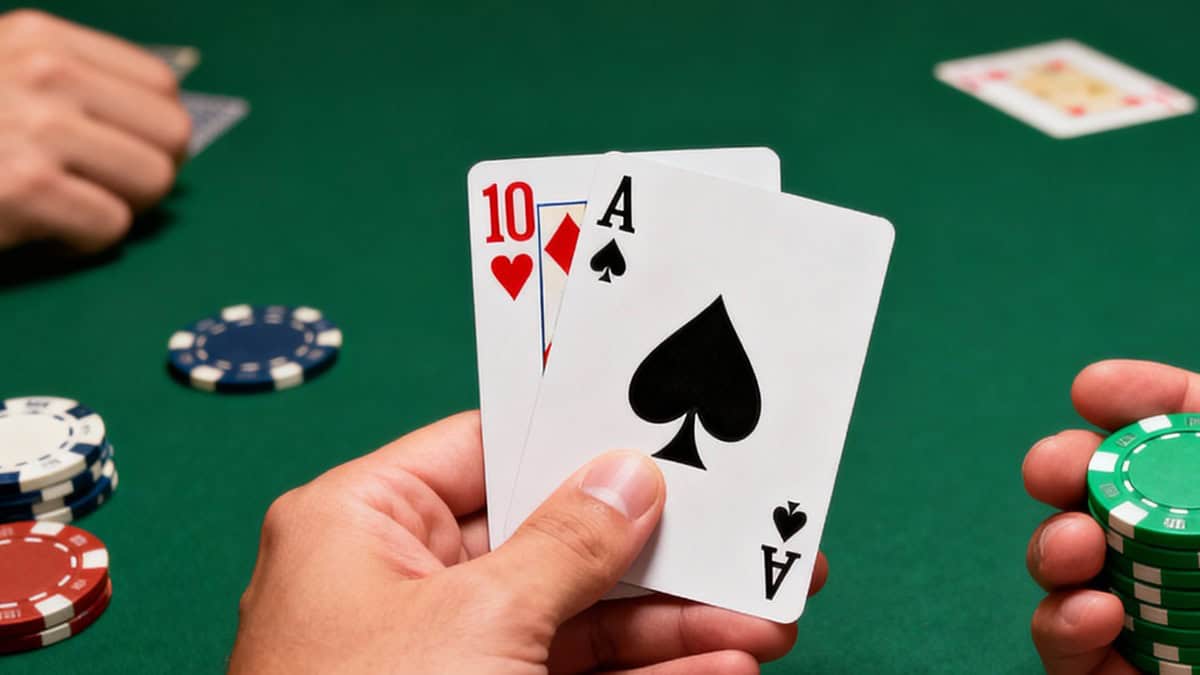
In Texas Hold'em, many beginners believe that as long as they play well after the flop, their skills will gradually improve. However, the real problem often lies much earlier: you pick too many wrong hands from the start. This is why starting hands are so crucial. Pro players aren't necessarily amazing after the flop; they're good at eliminating many low-EV situations pre-flop. Starting hand selection directly impacts your positional advantage after entering the pot, the risk of being dominated, the difficulty of subsequent decisions, and your overall long-term profitability. This article will provide a complete guide to starting hands for beginners, helping you understand which hands are worth playing, which hands should be folded, and why "good hand picking" often determines your win or loss earlier than "good hand playing."
In Texas Hold'em, many players view folding as a defeat, feeling they should continue playing as long as their hand still holds a sliver of hope, they've already invested a significant amount of chips, or they don't want their opponents to read their hand. However, true masters know that the best way to protect EV is often not through a brilliant hero call, but through calm and precise folding. A crucial fold isn't out of fear, but because you've determined that further investment in the current situation isn't worthwhile in the long run. It requires you to consider your range, board position, betting patterns, odds, blockers, and opponent tendencies, refusing to be swayed by emotions, sunk costs, and outcome bias. This article will provide a complete analysis of when to fold, why high-quality folds are more profitable than blindly holding on, and how masters make difficult but correct folds in crucial moments.

In Texas Hold'em, many players lose money not because they misplay strong hands, but because they too often stubbornly play hands that are "almost playable." These hands are known as marginal hands. They don't seem too weak and can occasionally hit decent hands, making them particularly easy for players to overestimate their value. However, true masters rarely cling to these hands in unfavorable situations because they know that the biggest problem with marginal hands isn't that they're completely unplayable, but rather that they easily lead you into high-risk, low-value situations that are prone to subsequent mistakes. This article will provide a complete analysis of what marginal hands are, why masters rarely play them, and how to avoid turning "seemingly okay" hands into a long-term source of losses based on position, opponents, chip stacks, and hand structure.

In Texas Hold'em, slow playing is attractive because it creates the illusion of weakness and may allow an opponent to keep betting into a monster hand. But the real issue is that many players slow play in the wrong spots, giving up value and protection while turning strong hands into unnecessarily risky situations. Strong players don't slow play automatically just because they have a big hand. They first evaluate board safety, opponent aggression, range protection, and whether slow playing truly has more potential than betting directly. This article explains when slow play makes sense, when it doesn't, and how to turn it from a flashy move into a disciplined value strategy. True masters don't automatically slow play just because they have a strong hand. Instead, they first assess the board's safety, the opponent's willingness to continue attacking, whether their range needs protection, and whether slow playing truly offers higher EV than betting aggressively. This article will provide a complete analysis of when to slow play, when not to feign weakness, and how to transform slow play from a performative maneuver into a genuinely logical value strategy.
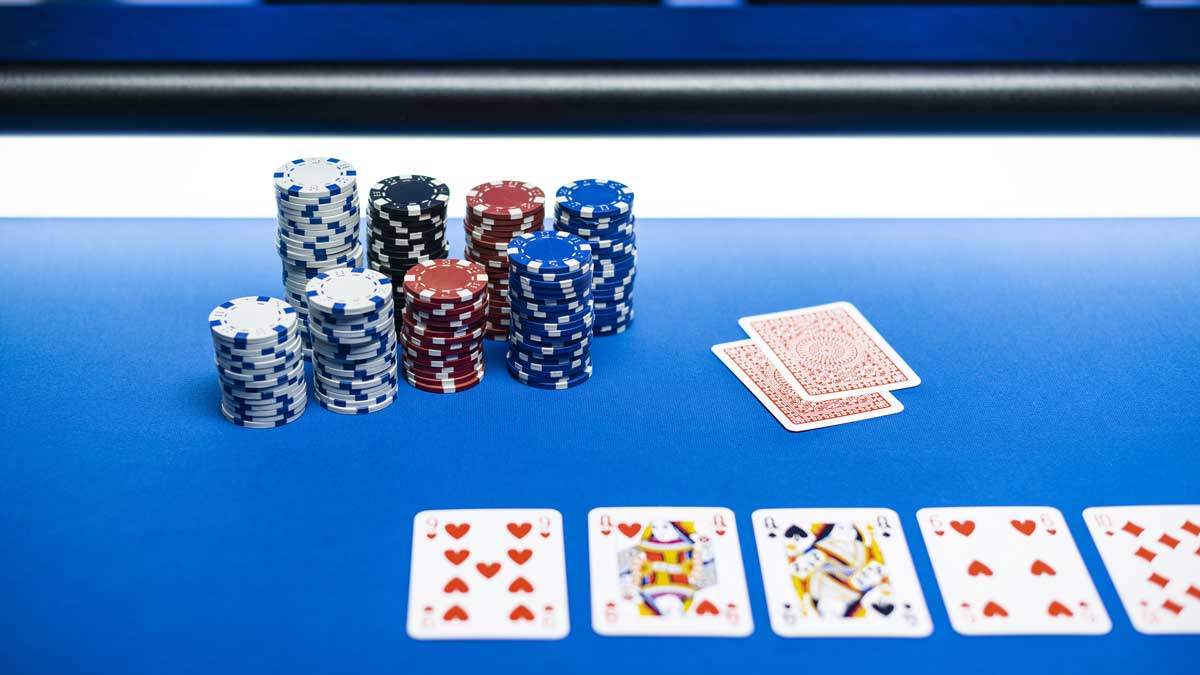
One of the most common and misunderstood situations in Texas Hold'em is missing the board completely on the flop. Many players see no pair and no draw, then immediately fold. Others do the opposite and fire automatically with air, hoping to force the pot away. Strong players do not treat "missing the flop" as a single answer. They evaluate range advantage, opponent defense frequency, board texture, positional dynamics, and how the hand can continue on future streets. This article explains how to play missed boards correctly, when to c-bet, when to control the pot, and when to simply fold, so even air hands can be played with logic and EV. True masters don't treat "missing a hand" as a single answer. Instead, they assess their range advantage, their opponent's defense, the board structure, positional relationships, and the potential for extensions on subsequent streets. This article will provide a complete analysis of how to play when you miss a hand: when to C-bet, when to control the pot, and when to fold, helping you play even seemingly useless hands logically and with potential earnings.
The best way to learn ICM is not by memorizing theories, but by analyzing real-world cases. Many players understand the concept of ICM but still don't know how to apply it at the poker table. This article will use practical examples to fully break down the decision-making logic of the Bubble, the final table, and the prize jump stages, helping you understand how expert players think in ICM.
Risk Premium is one of the most important concepts in ICM theory. It explains why players need a higher win rate than usual to call all-in during the Bubble, final table, and prize jump phases. This article will fully analyze the origin and calculation logic of Risk Premium, and how it can change your calling and bluffing strategies.
Many players believe all tournament play is the same, but in reality, the payout structure directly impacts optimal decision-making. Flat payouts and steep payouts create drastically different ICM pressures and strategy choices. This article will provide a comprehensive analysis of how payout structure alters EV, Risk Premium, and overall tournament play.

Many players believe that ICM only affects calling range, but in fact, ICM has a significant impact on bluffing. During the Bubble and final table stages, bluffing success rates tend to increase significantly due to the higher risk of elimination for opponents. This article will provide a comprehensive analysis of how ICM alters bluffing strategies and how professional players utilize ICM pressure to create additional EV.
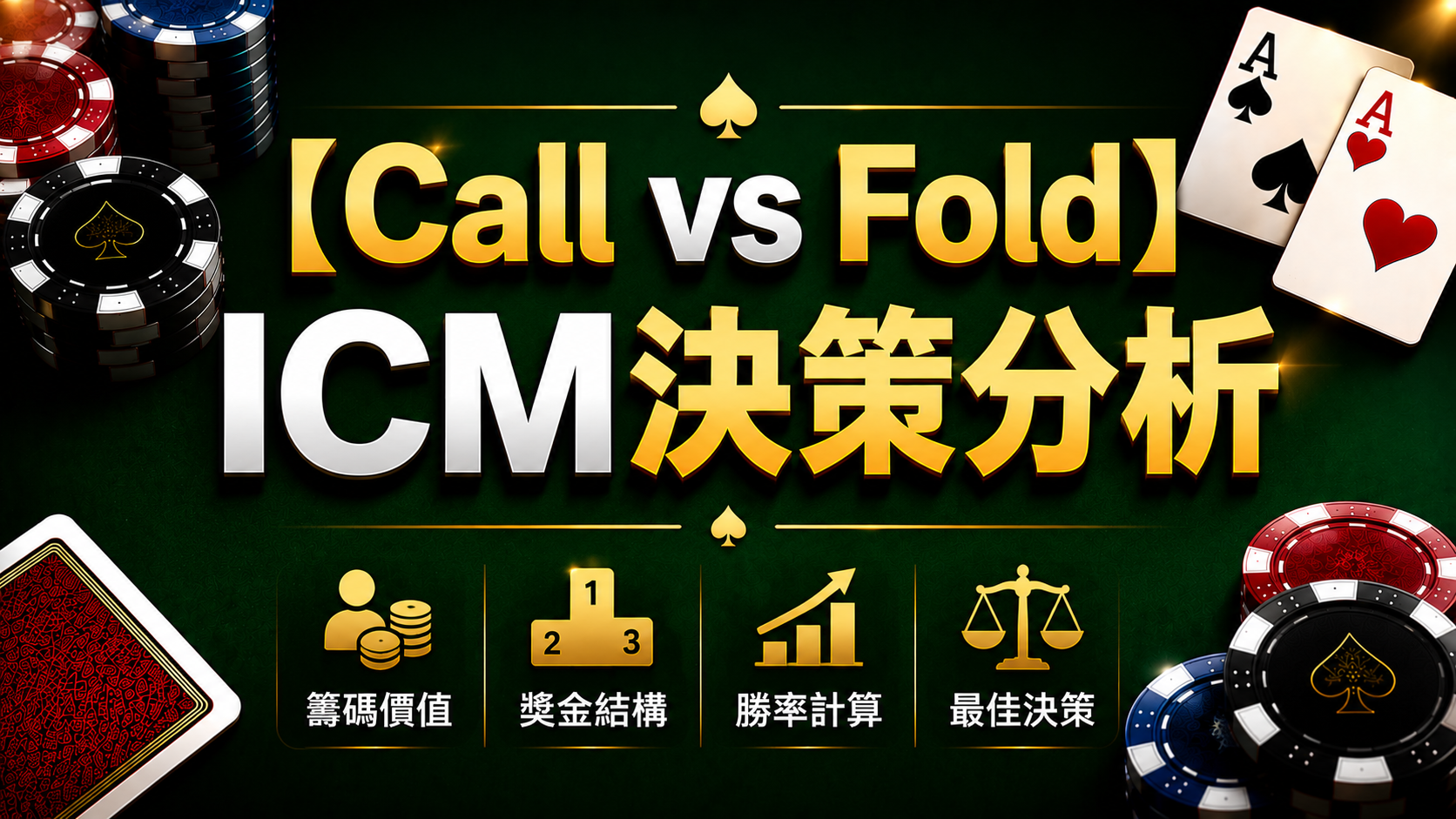
In cash games, a sufficient equity stake usually warrants a call. However, in tournaments, ICM (Independent Call Management) can turn many hands that should call into folds. Especially in the Bubble, final table, and prize jump phases, the difference between a call and a fold can often represent thousands or even tens of thousands of dollars. This article will provide a complete analysis of the call decision logic under ICM.
Dollar EV(獎金 EV/獎金期望值)是指一項德州撲克決策在長期重複發生後,平均能為玩家帶來多少獎金價值 與 Chip EV 不同,Dollar EV 並非衡量能贏得多少籌碼,而是衡量玩家的實際獎金期望值。在錦標賽中,由於籌碼價值不是線性的,因此一個正 Chip EV 的決策,不一定是正 Dollar EV Dollar EV 的計算需要考慮 ICM、Payout Structure、Pay Jump、Risk Premium、Stack Distribution、Bubble、Final Table 等因素,因此是錦標賽後期最重要的決策依據之一 真正理解 Dollar EV,不只是追求更多籌碼,而是追求更高的長期獎金收益

Chip EV(籌碼 EV/籌碼期望值)是指一項德州撲克決策在長期重複發生後,平均能為玩家增加或減少多少籌碼 如果一個決策的 Chip EV 為正,代表長期可以累積更多籌碼;如果 Chip EV 為負,代表長期會損失籌碼。Chip EV 常用於分析 Call、Fold、Raise、Bluff、Value Bet、All-in、Push/Fold 等決策 在 Cash Game 中,由於籌碼通常直接代表現金,Chip EV 與 Money EV 的方向大致一致。但在錦標賽中,籌碼價值不是線性的,因此正 Chip EV 決策不一定等於正 Dollar EV。尤其在 Bubble、Satellite、重大 Pay Jump 與 Final Table 階段,玩家還需要加入 ICM、Risk Premium 與 Payout Structure 真正理解 Chip EV,不只是判斷一手牌能不能贏籌碼,而是比較所有可選行動的長期籌碼期望值
ICM(Independent Chip Model,獨立籌碼模型)是德州撲克錦標賽中,用來估算玩家目前籌碼價值所對應獎金權益(Dollar EV)的數學模型 ICM 的核心概念是:錦標賽籌碼並不能按照固定比例直接換算成現金。例如,擁有全場 50% 的籌碼,並不代表一定擁有總獎池 50% 的價值。因為獎金分配、剩餘玩家、Pay Jump 與淘汰風險,都會影響每位玩家實際的獎金期望值 因此,同一手牌在 Cash Game 屬於必 Call,在錦標賽 Bubble、Final Table 或重大 Pay Jump 階段,可能因 ICM 而變成 Fold 真正理解 ICM,需要同時理解 Chip EV、Dollar EV、Risk Premium、Bubble Factor、Pay Jump、Payout Structure、Stack Distribution 與 Tournament EV
Chip Leader(籌碼領先者)是指德州撲克牌局或錦標賽中,目前擁有最多籌碼的玩家 在現金桌,Chip Leader 只是表示桌上的籌碼最多,對每顆籌碼的價值沒有額外影響;但在錦標賽中,Chip Leader 往往擁有最大的施壓能力,可以利用 ICM、Risk Premium、Cover、Bubble 與 Final Table 等因素迫使其他玩家收緊跟注範圍 然而,成為 Chip Leader 並不代表可以無限制進攻。如果與另一位大籌碼發生大底池衝突,仍可能失去領先地位,因此優秀的 Chip Leader 更重視 選擇施壓對象、控制風險與持續累積籌碼 真正理解 Chip Leader,不只是知道誰的籌碼最多,而是理解如何將籌碼優勢轉化為更多 EV
Pay Jump(獎金跳躍)是指德州撲克錦標賽中,玩家從一個獎金名次或名次區間晉升到下一個獎金層級時,所增加的獎金金額 例如,第 10 名獎金為 $1,000,第 9 名獎金為 $1,300,兩個名次之間的 Pay Jump 就是 $300。Pay Jump 可能出現在 ITM 後的每一個名次,也可能由多個名次共享同一獎金區間,等到跨入下一層級時才發生 Pay Jump 會直接影響 ICM、Risk Premium、Bubble Factor、Stack Distribution、Push/Fold 與 Final Table Strategy。獎金跳躍越大,玩家在面對淘汰風險時通常需要更加謹慎,尤其是中等籌碼面對可以淘汰自己的大籌碼時 不過,等待 Pay Jump 並不一定永遠正確 如果獎金增加很小、自己的籌碼即將失去 Fold Equity,或存在明顯正 EV 的進攻機會,過度等待反而可能降低長期 Tournament EV