




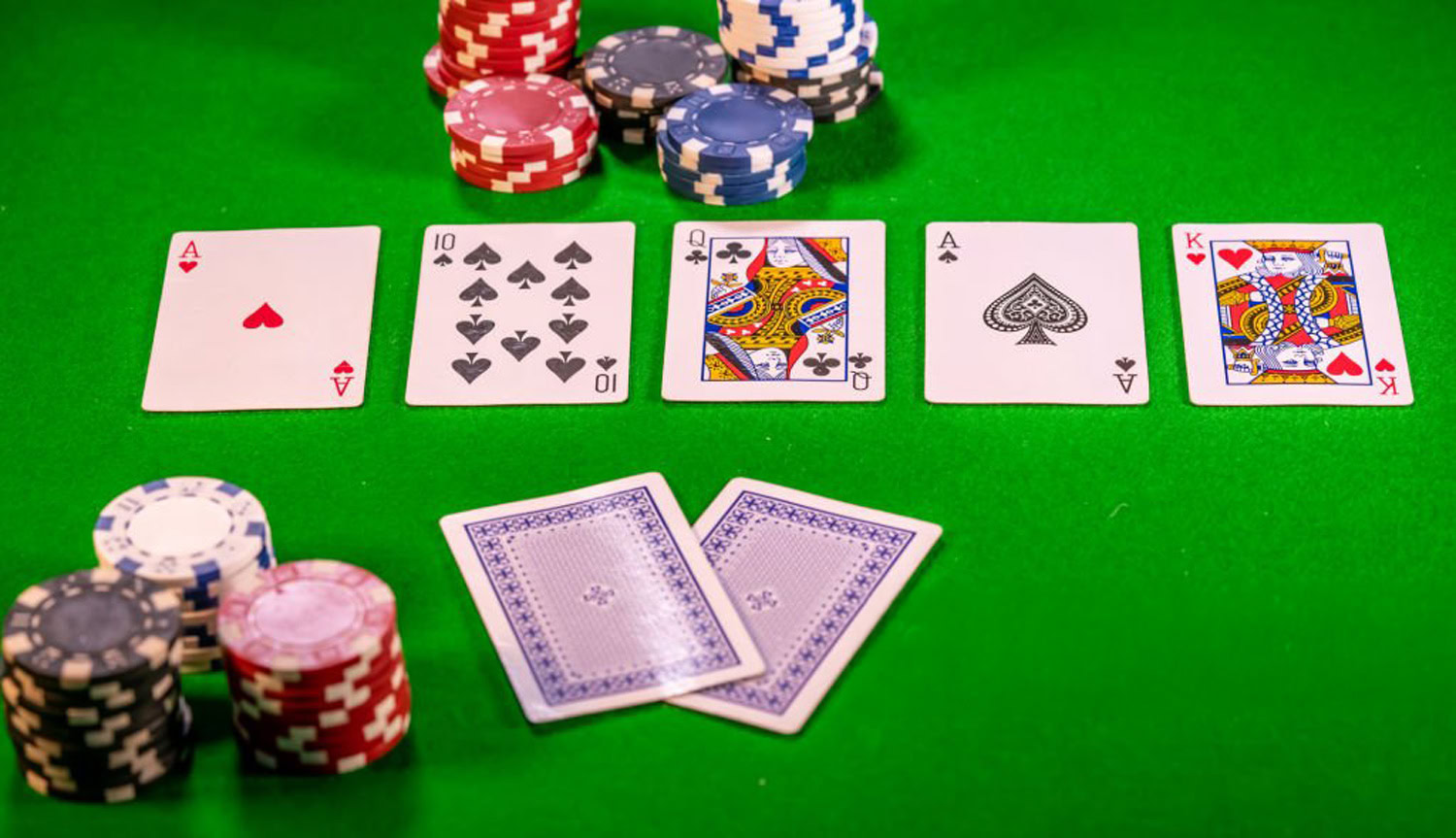
The river is the most crucial stage in Texas Hold'em where wins and losses can be amplified. Many beginners lose large pots on the river due to incorrect calling, over-value betting, or blind bluffing. This article analyzes common mistakes from a practical review perspective and establishes a clear river decision-making model to help players avoid high-cost errors and improve long-term profitability.
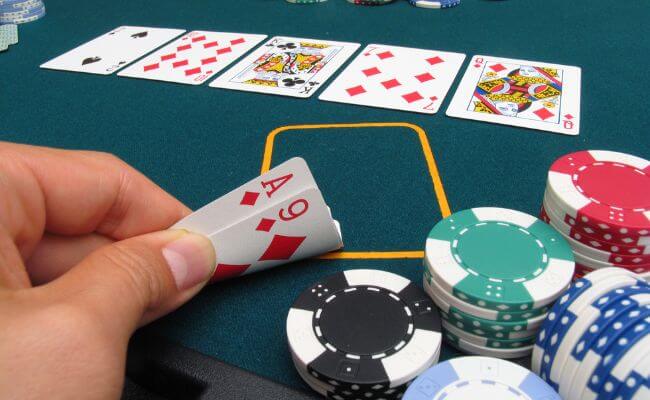
When you flop a draw, whether to attack or call is one of the most common decision-making dilemmas in Texas Hold'em. This article breaks down the correct play for different types of draws (strong, medium, and weak) from a practical review perspective, and establishes a clear decision-making model to help players determine when to semi-bluff and when to control the pot, avoiding common mistakes and improving long-term EV.
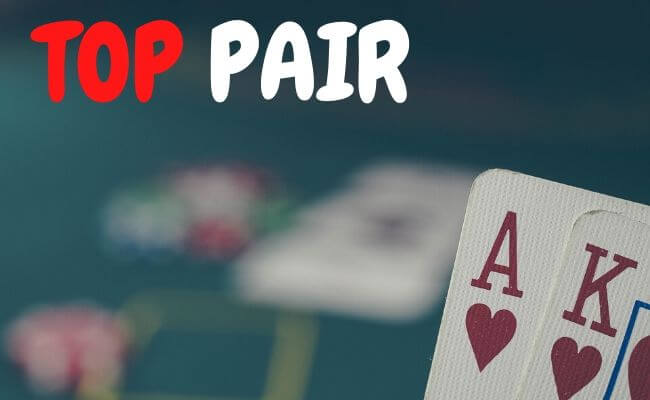
Top pair is one of the most common but also most easily misplayed hands in Texas Hold'em. Many players, upon receiving top pair, habitually bet three streets, only to be called by stronger hands. This article analyzes whether top pair should be bet three streets through real-world replays and establishes a correct decision-making model to help players balance value and risk, avoiding over-betting that leads to long-term losses.
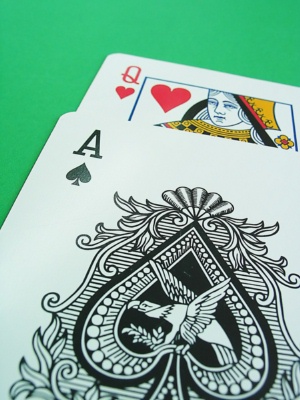
Many beginners in Texas Hold'em, when dealt AQ, often assume they have a consistently strong hand, but in practice, they frequently suffer heavy losses. This article delves into why AQ easily leads players to overestimate its strength, ignore their opponents' range, and become overly fixated on winning hands, ultimately falling into the second-best trap. The article's focus isn't just on whether AQ is strong or not, but rather on helping players understand that AQ must be categorized and handled according to position, opponent type, pot structure, and betting lines to truly achieve long-term EV.

One of the biggest differences between professional Texas Hold'em players and casual players is their "probabilistic thinking." Beginners often only look at the wins and losses of a single hand, while experts make decisions based on probability, EV, range, and long-term samples. This article will delve into how expert players understand probability, accept variance, and develop a truly long-term profitable mindset.

Variance is one of the most crucial and frustrating concepts in Texas Hold'em. Even with a consistently positive EV, you can still experience short-term losses. Many players don't lose due to skill, but rather to a lack of understanding of variance. This article will delve into how variance affects short-term win rate, sentiment, and profit curves, helping you develop a true long-term mindset.

Many Texas Hold'em players focus only on daily wins and losses, but what truly determines profitability is the long-term win rate curve. Even with significant short-term fluctuations, as long as a positive EV is maintained, the long-term profit curve will eventually trend upwards. This article will analyze the relationship between the win rate curve, variance, sample size, and long-term profitability, helping you develop a truly professional long-term mindset.

Many Texas Hold'em beginners rely on intuition to judge their win rate, but humans are actually very intuitive about probability. Players often overestimate strong hands, underestimate draws, misunderstand short-term results, and may even completely doubt their strategy after a few consecutive losses. This article will analyze the most common probability misjudgments and psychological biases among beginners, helping you develop a true understanding of probability and EV (Earnings Per Transaction).

Many Texas Hold'em players overestimate the actual value of strong hands, such as AA, KK, or top pair, mistakenly believing that a strong hand guarantees a win. However, in practice, hand strength is always relative; what truly matters is range, position, board texture, and EV (Earnings Value). Many large pot losses stem from this "hand strength illusion." This article will analyze why a strong hand doesn't necessarily represent an advantage, and how expert players redefine hand strength.
A balanced range refers to a player's betting, checking, calling, or raising range that includes a reasonable proportion of value hands and bluff hands. This makes it difficult for opponents to accurately judge the strength of their hand, and is a crucial foundation of Game Theory Optimal (GTO) strategies. When your range is sufficiently balanced, even if your opponent knows your strategy, it's difficult for them to continuously exploit you by adjusting their play. This article will fully introduce the definition of a balanced range, its differences from exploit strategies, value ranges, bluff ranges, polarized ranges, and their practical applications.
A merged range refers to a player's betting or raising range, primarily consisting of medium to high-strength hands. It includes hands that would otherwise check or call, unlike a polarized range which only retains the strongest hands and bluffs. Merged ranges are commonly seen when opponents call frequently and are unlikely to fold. By continuing to bet with more hands that have showdown value, players can extract more value from a weaker calling range. This article will provide a complete overview of the definition of a merged range, its differences from polarized and linear ranges, and the practical applications of GTO and Exploit.
An uncapped range refers to a player's range that still contains the strongest hands (Nut Hands) and the highest value hands (Premium Value Hands). Because opponents cannot rule out strong hands like AA, KK, Sets, Nut Straights, or Nut Flushes, players with uncapped ranges generally need to be more cautious. Players with uncapped ranges also find it easier to use Range Advantage and Nut Advantage to make large bets and apply pressure. This article will provide a comprehensive overview of the practical applications of Uncapped Range, Capped Range, Range Advantage, Nut Advantage, GTO, and Exploit.
A capped range refers to a player's range that is almost impossible to contain the strongest null hands or top-value hands. When a player eliminates a large number of strong hands due to certain actions (such as not 3-betting pre-flop, not raising on the flop, or calling on the turn), their range becomes a capped range. Opponents can often exploit this by increasing their betting frequency or even overbetting to apply pressure. This article will provide a complete overview of the practical applications of capped range, uncapped range, range advantage, null advantage, GTO, and exploit.
A linear range refers to a betting or 3-betting range primarily composed of a series of sequentially strong hands, rather than including a large number of bluffed hands. Unlike a polarized range, a linear range focuses more on overwhelming the opponent with hand strength, and is therefore commonly seen in cash games, against loose players, or when opponents call frequently. By using more medium- to high-strength hands, players can maintain an advantage post-flop. This article will provide a comprehensive overview of the definition of a linear range, its differences from a polarized range, applicable scenarios, GTO and exploit strategies, and how professional players build high-quality linear ranges.