




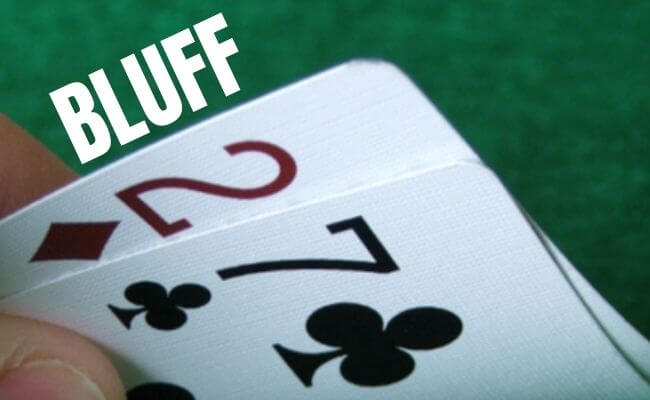
In Texas Hold'em, many players' biggest problem isn't a lack of skill, but rather a fear of aggression. This article delves into the psychological roots of the "Bluff Barrier" through hand replays, explaining why players choose to refrain from attacking when they have no cards, and how this behavior leads to strategic imbalance and makes their hands easily read by opponents. When you learn to view bluffs as part of your range and potential earnings (EV), rather than as a single risk, your overall aggressiveness and profit potential will significantly improve.
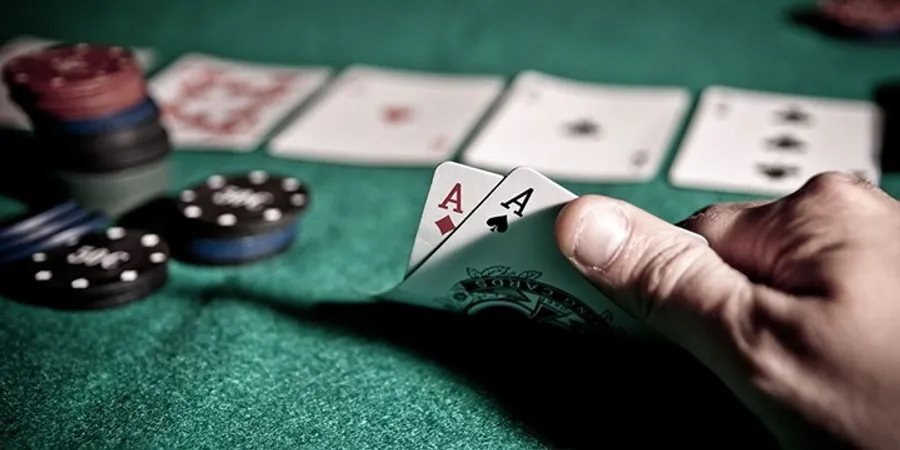
In Texas Hold'em, many players lose money not because of a lack of skill, but because "fear" interferes with otherwise correct decisions. This article analyzes how fear can make players overly conservative in crucial moments, missing value betting opportunities and even making choices with negative EV through real-world hand reviews. When you learn to replace emotional reactions with range and long-term EV, your decision-making stability and overall profitability will significantly improve.
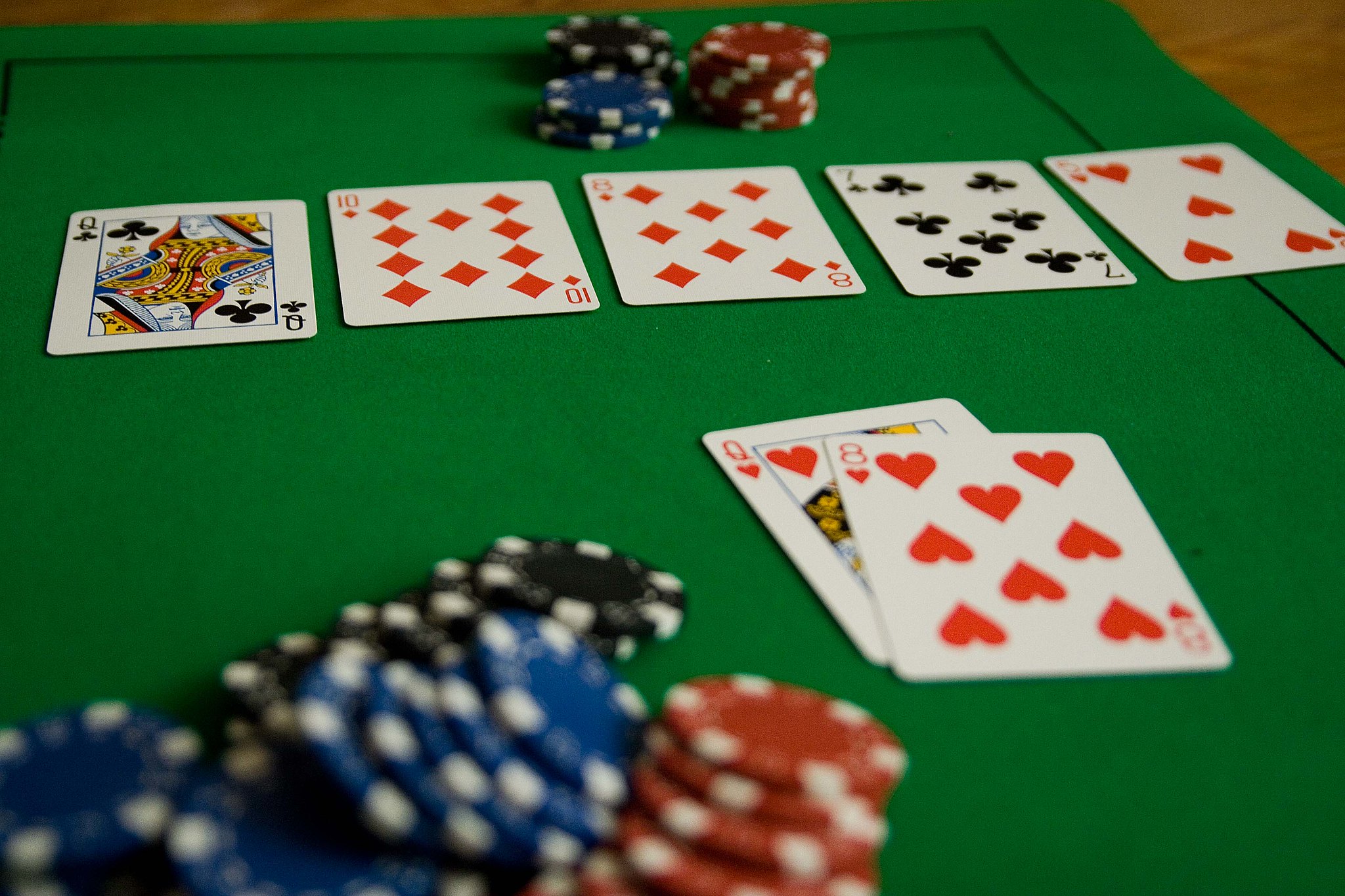
In Texas Hold'em, many players habitually evaluate their decisions based on wins and losses, but this is actually one of the most dangerous cognitive biases. This article, through reviewing actual hands, delves into the fundamental difference between "outcome-oriented" and "decision-making quality," helping you understand why correct decisions can still lead to losses, and why incorrect decisions can still result in short-term profits. When you learn to evaluate each hand using long-term EV and range thinking, rather than a single outcome, your decision-making ability and overall profitability will significantly improve.

Many players lose big pots not because they have no cards at all, but because they overestimate their hand strength. This article analyzes how players can gradually increase their pot strength in top pair situations through hand replays, and explains why focusing only on one's own hand while ignoring the opponent's range often leads to greater decision-making errors.
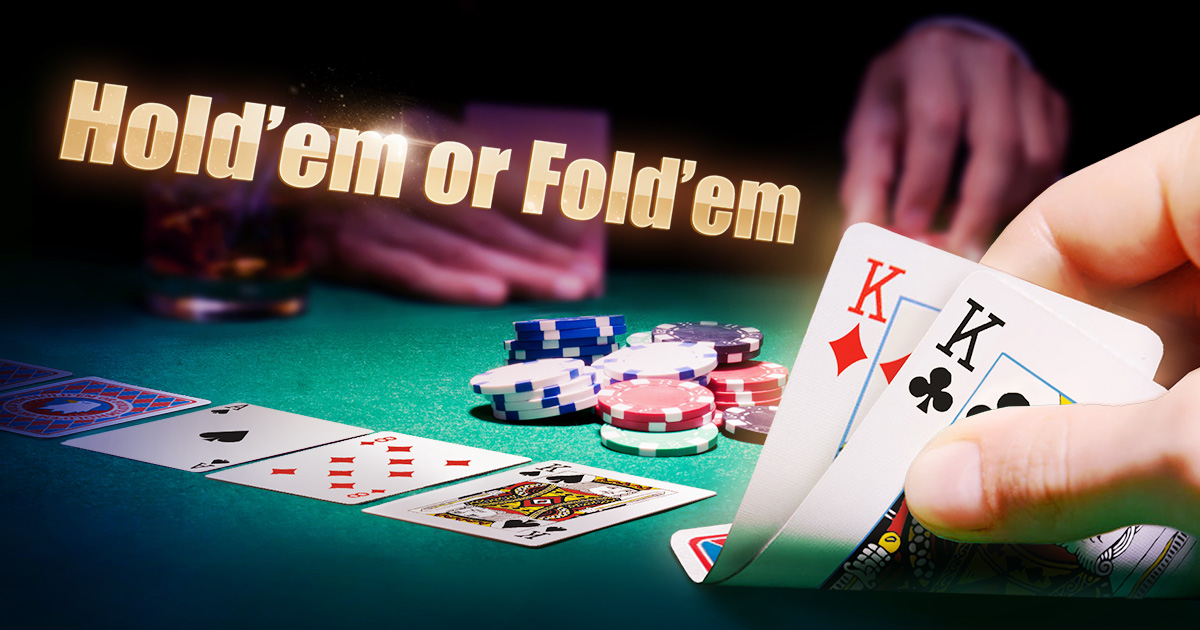
This book delves into the most crucial yet often overlooked skill in poker: folding decisions. Through hand replays, it explains how to determine your opponent's range, identify strong signals and bluff frequencies, helping players avoid making wrong calls at critical moments, stop continuously investing in losing situations, and thus establish a stable and consistently profitable decision-making mindset.

Many beginners, after learning Pot Odds, start making a lot of incorrect calls. The real problem isn't the mathematical formulas, but rather a misunderstanding of EV, Dirty Outs, Range, and Reverse Implied Odds. This article will provide a complete analysis of the most common Pot Odds misconceptions for beginners, as well as the true EV mindset of professional players.

In Texas Hold'em, your opponents' bet sizing and bluffing frequency directly impact your EV and call decisions. Many players only consider their own hand strength, but true professionals analyze their opponents' range, betting logic, and bluffing ratios. This article will provide a comprehensive analysis of how bluffing affects pot odds and EV, as well as advanced bluffing catch strategies.

Bet size directly alters the pot odds and EV structure in Texas Hold'em. Many players simply bet "by feel," but true professional players use bet size to control opponents' odds, fold equity, and overall EV. This article will provide a comprehensive analysis of how bet size influences pot odds and advanced strategic thinking.

Many players believe that if the Pot Odds are good, they should definitely call. But true professional players know that some seemingly high-odds calls are actually huge EV traps. Dirty Outs, Reverse Implied Odds, Range Suppression, and multi-way pots can all turn a "seemingly good" call into a long-term loss. This article will provide a complete analysis of these extreme cases.

Multiway pots will fundamentally change the pot odds and EV structure in Texas Hold'em. Many players believe that more players mean a larger pot and easier chasing, but in reality, Equity, Dirty Outs, and Reverse Implied Odds also increase simultaneously. This article will provide a complete analysis of the changes in pot odds and professional-level decision-making in multiway pots.
Frequency refers to the proportion or number of times a player takes a particular action in the same situation. For example, in a hand, choosing to bet with 70% and checking with 30% in the same situation is a frequency. Frequency is a core concept in GTO (Game Theory Optimal), Mixed Strategy, Solver, and various strategy analyses, and it is also an important foundation for building balanced strategies. This article will fully introduce the definition, operation, Solver application, and practical concepts of frequency.
Node Lock refers to manually modifying the strategy of a specific node in the Solver analysis, causing opponents to make decisions based on a specified play rather than the Game Theory (GTO), and then recalculating the optimal response strategy. Since real players rarely play entirely according to the GTO, professional players often use Node Lock to simulate opponents' over-bluffing, under-bluffing, over-folding, or calling station behaviors to identify the most profitable exploit strategies. This article will provide a complete introduction to the definition, operation, Solver application, and practical analysis of Node Lock.
A Node is a decision point in the Texas Hold'em decision tree (Game Tree). Each time a player needs to make an action (Check, Bet, Call, Raise, or Fold), a new Node is formed. In the Solver, the entire game is broken down into countless Nodes, each representing a specific situation. The Solver calculates the Game-The-Own-Strategy (GTO) for each Node. Understanding Nodes is a crucial foundation for learning Solver, Node Lock, Game Tree, and GTO. This article will provide a complete introduction to the definition of Nodes, Game Trees, Solver, and their practical applications.
MDF stands for Minimum Defense Frequency, one of the most important defensive concepts in Texas Hold'em GTO (Game Theory Optimization). MDF calculates the theoretical minimum percentage of hands a player needs to defend against an opponent's bet to prevent them from profiting through over-bluffing. While MDF provides a theoretical baseline for defense percentages, in practice, it's necessary to combine hand strength, blocker, pot odds, solver analysis, and opponent habits to make the best decisions. This article will fully explain the meaning, formula, relationship with GTO, and practical applications of MDF.
Minimum Defense Frequency (MDF) refers to the minimum range a player should theoretically call or raise when facing an opponent's bet to prevent the opponent from profiting indefinitely from any two cards. MDF is a crucial concept in Game Theory Optimal (GTO), primarily used to determine how many hands a player should defend against, rather than over-folding. Solvers also frequently utilize MDF as an important reference for developing defensive strategies. This article will provide a comprehensive overview of the definition, calculation method, relationship with Pot Odds, and practical applications of MDF.