




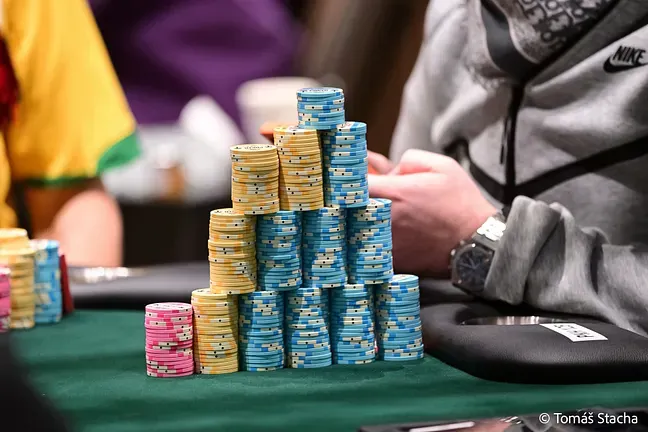
This analysis explains how to deal with aggressive players (LAG), using hand replays to illustrate a balanced strategy of defense and counterattack, helping players control the pace and achieve consistent profits in high-pressure situations.
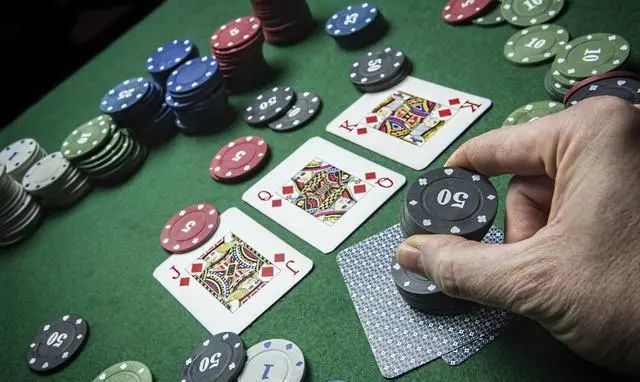
This article analyzes the true meaning of a passive player's sudden attack, and explains how to identify abnormal signals and strong hand ranges through hand replays, helping players avoid making wrong calls and reduce the risk of high losses.

This article analyzes why multi-way pot betting is prone to failure, and explains Fold Equity, Range Hit Rate, and Value-Oriented Strategies through hand replays to help players avoid ineffective attacks and improve overall profitability stability.
This article analyzes the nature of Float (floating call) and how to deal with it. Through hand review, it explains how to identify opponents' delayed attacks and use different strategies to maintain the initiative and improve overall profitability.

This article analyzes why BTN (Blind Toss) often fails, providing a comprehensive breakdown from pre-flip range selection to post-flip decision continuation, helping players establish a complete blind-stealing strategy and long-term profit-making mindset.

Many players can calculate win rates and know about Pot Odds, but when it comes to actual gameplay, they don't know how to compare the two. The true core competency of professional players is the ability to quickly convert Equity and Pot Odds into EV (Earnings Per Transaction) decisions. This article will provide a complete analysis of how to compare Pot Odds and win rates, and the true professional-level mathematical thinking behind it.

In real Texas Hold'em, players can't meticulously calculate every hand's precise numbers. Professional players rely on their ability to quickly estimate odds, pot odds, and EV. This article will provide a complete analysis of methods for quickly calculating odds live, the 2x and 4x rule, pot odds calculation techniques, and professional-level thinking.

Many players are familiar with Pot Odds, but in actual gameplay, they still struggle with whether or not to call. The true strength of professional players lies not just in their mathematical calculations, but in their ability to quickly convert Outs, win rates, and Pot Odds into EV (Effective Value) decisions. This article will provide a complete analysis of how to use Pot Odds to make the correct call decisions.
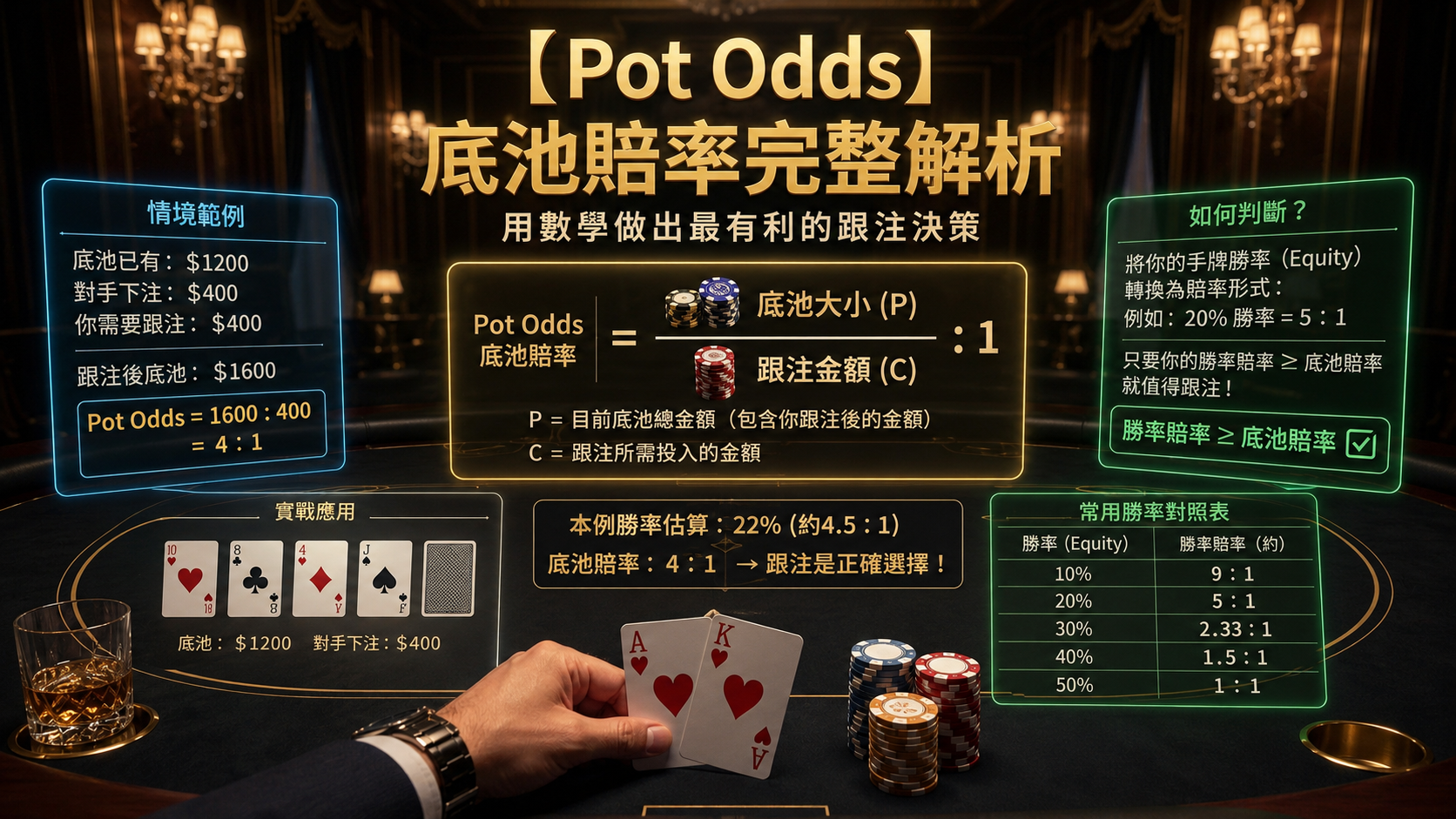
Pot odds are one of the core mathematical decisions in Texas Hold'em. Many players know they have a draw but don't know whether they should call. True professional players use pot odds to convert equity into EV decisions. This article will provide a complete analysis of the pot odds formula, practical applications, outs conversion, and professional-level thinking.

Many players can't resist chasing draws when they see a winning hand, but true masters don't call every time they get a draw. What's truly important when chasing draws is EV (Earning Value), Pot Odds, opponent's range, and future profitability. This article will provide a complete analysis of when to chase draws, when to fold, and how professional players use draws to build long-term profitability.
Exploit is a strategy where players proactively adjust their tactics based on their opponents' weaknesses to achieve higher returns than Game Theory Optimization (GTO). Unlike GTO, which aims for strategic balance, exploits do not prioritize balance. Instead, they dynamically adjust bluffing, value betting, and defensive strategies based on the opponent's habits, such as over-folding, over-calling, over-bluffing, or under-bluffing. This article will provide a comprehensive overview of the definition of exploits, their differences from GTO, common exploit methods, and practical applications.
GTO (Game Theory Optimal) refers to the optimal strategy built upon game theory, ensuring that a player is not easily exploited even against a perfect opponent. GTO does not guarantee a win every hand, but rather maximizes the overall strategy's expected value (EV) in the long run through a balanced range, mixed strategy, appropriate bluff frequency, and value range. This article will provide a comprehensive overview of GTO's definition, core concepts, the difference between a solver and exploit, and its practical applications.
A storyline refers to a player's actions throughout a hand, from pre-flop to the river, that logically represent a specific range, ensuring consistency and credibility throughout the betting process. Whether it's value betting or bluffing, the key to success lies in a coherent storyline. If actions on each street contradict each other, opponents can more easily decipher your strategy; conversely, a complete and consistent storyline effectively increases the success rate of bluffs and the profitability of value bets. This article will fully introduce the definition, importance, GTO and Exploit thinking, and practical applications of storylines.
Blocker bluffing refers to a strategy where a player uses their blocker to reduce the likelihood of their opponent holding a strong hand, thereby increasing the success rate of their bluff. Because blockers reduce the number of combinations where the opponent has nuts or a strong value hand, blocker bluffing is one of the most common bluffing choices in modern Game Theory Optimal (GTO) strategies and a frequently recommended bluffing combination by solvers. This article will provide a complete overview of the definition of blocker bluffing, nut blockers, fold equity, GTO, and its practical applications.
Exploit bluffing refers to a strategy where a player deliberately increases or decreases their bluffing frequency based on specific weaknesses of their opponent to maximize their profit. Unlike GTO (Game Tottenham Bluff), exploit bluffing doesn't aim for balance but rather adjusts to different player types. For example, against players who tend to over-fold, bluffing can be increased; against players who like to call, bluffing should be decreased and value bets increased. This article will provide a complete overview of the definition of exploit bluffing, its differences from GTO, applicable scenarios, and practical applications.