





SPR (Stack-to-Pot Ratio) is a crucial concept in Texas Hold'em that combines stack depth with decision-making logic. Through SPR, players can determine whether to adopt an aggressive or conservative play style under different pot and stack sizes. This article uses hand analysis and real-world scenarios to explain that a low SPR is suitable for quickly building large pots, while a high SPR requires more precise risk control and decision-making. When players understand and utilize SPR, they can not only optimize pot planning but also significantly improve overall strategy consistency and long-term profitability.

Poker position strategy is one of the most fundamental elements in Texas Hold'em, directly impacting a player's information gathering, decision-making quality, and long-term profitability. This article analyzes real-world hands to illustrate the strategic differences in the same hand across different positions, and explains how position influences range selection, betting strategy, and overall EV. When players correctly understand and utilize positional advantages, they can not only reduce risk but also create more attacking opportunities in later positions, thereby improving overall decision-making and long-term win rate.
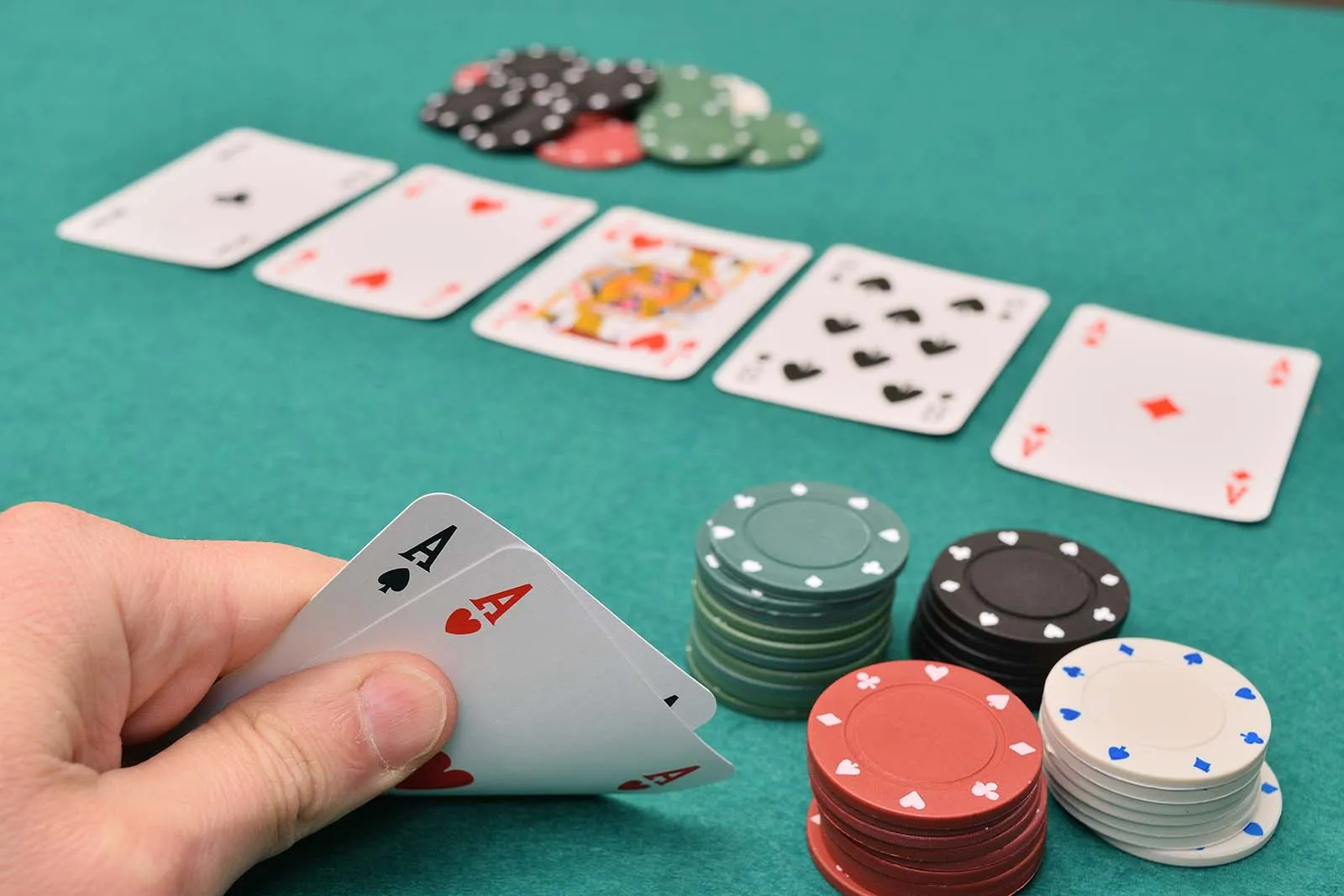
Poker Betting Line Strategy is a crucial ability in Texas Hold'em, evolving from single-point decision-making to holistic strategic planning. Many players make decisions independently on each street, resulting in inconsistent strategies and vulnerability to exploitation by opponents. This article delves into how to plan betting lines for Turns and Rivers starting from the Flop through real-world hand replays, and introduces three core strategies: Value Line, Control Line, and Bluff Line. When players can establish complete and consistent betting lines, they can significantly improve decision-making quality and long-term profitability.

Semi-Bluff Poker Strategy is one of the most important offensive techniques in Texas Hold'em, allowing players to create profitable opportunities before they have a hand, leveraging both fold equity and draw potential. This article analyzes when semi-bluffs are most profitable through real-world hand replays, including judging strong draws, opponent fold rates, range advantage, and positional influence. When players can correctly utilize semi-bluffs, they can not only increase their attack frequency but also achieve a more balanced overall strategy, ultimately establishing a long-term, stable, and profitable poker decision-making system.

Bluffing is one of the most important core elements of Texas Hold'em offensive strategy, but it's also one of the most easily misused techniques. Many players treat bluffing as an emotional or random act, leading to long-term losses. This article delves into the correct bluffing through real-world hand replays, including the application of Fold Equity, Range logic, betting lines, and Blockers. When players understand the structure and conditions behind bluffing and execute it in the right context, bluffing will no longer be risky, but rather a crucial component of a consistently profitable strategy.
Stealing the blinds is one of the most consistent sources of profit in Texas Hold'em tournaments. Leveraging positional advantage and the Fold Equity, players can continuously accumulate chips without showing their hands. This article delves into when to steal the blinds, how to choose opponents, and how to maximize stealing profits under Bubble and ICM pressure. Mastering stealing strategies will transform you from passively waiting to actively controlling the pace of the game.

The bubble stage is the most stressful and strategically valuable phase in Texas Hold'em tournaments, where the Independent Chip Model (ICM) can drastically alter players' decisions. This article delves into the core logic of whether to be aggressive or conservative during the bubble, explaining the optimal strategies for different stack sizes (large, medium, and short) under pressure, and how to exploit opponents' fears to steal blinds and exploit. Mastering bubble stage strategies will significantly improve your cash rate and long-term EV.

The final table is the most stressful stage of a Texas Hold'em tournament, where the Independent Chip Model (ICM) drastically alters every decision. This article provides an in-depth analysis of the handling logic for key hands at the final table, explaining the strategies for different stacks (large, medium, and short), how to avoid high-risk clashes, and how to exploit opponent pressure. Mastering final table strategy will directly impact your ranking and final prize money.

Deep Stack Strategy is the most technically demanding phase in Texas Hold'em. When a player's stack reaches 100BB or more, they enter the core area of multi-street decision-making and range warfare. This article delves into three-street planning, pot control, and strategic flexibility in a deep stack environment, explaining why relying solely on hand strength is insufficient for long-term profitability, and how expert players amplify their EV advantage through precise decision-making. Mastering Deep Stack Strategy is essential to truly entering professional-level play.
Short stack strategy is one of the most crucial decision-making models in tournaments. When a player's stack falls below 10BB, they enter push/fold mode. This article delves into the optimal decision-making logic for short stacks, including when to go all-in, how to leverage positional advantage, and how to maximize fold equity. By precisely executing a short stack strategy, you can consistently double up in high-pressure environments, avoid being eliminated by the blinds, and improve your overall tournament survival rate and profitability.
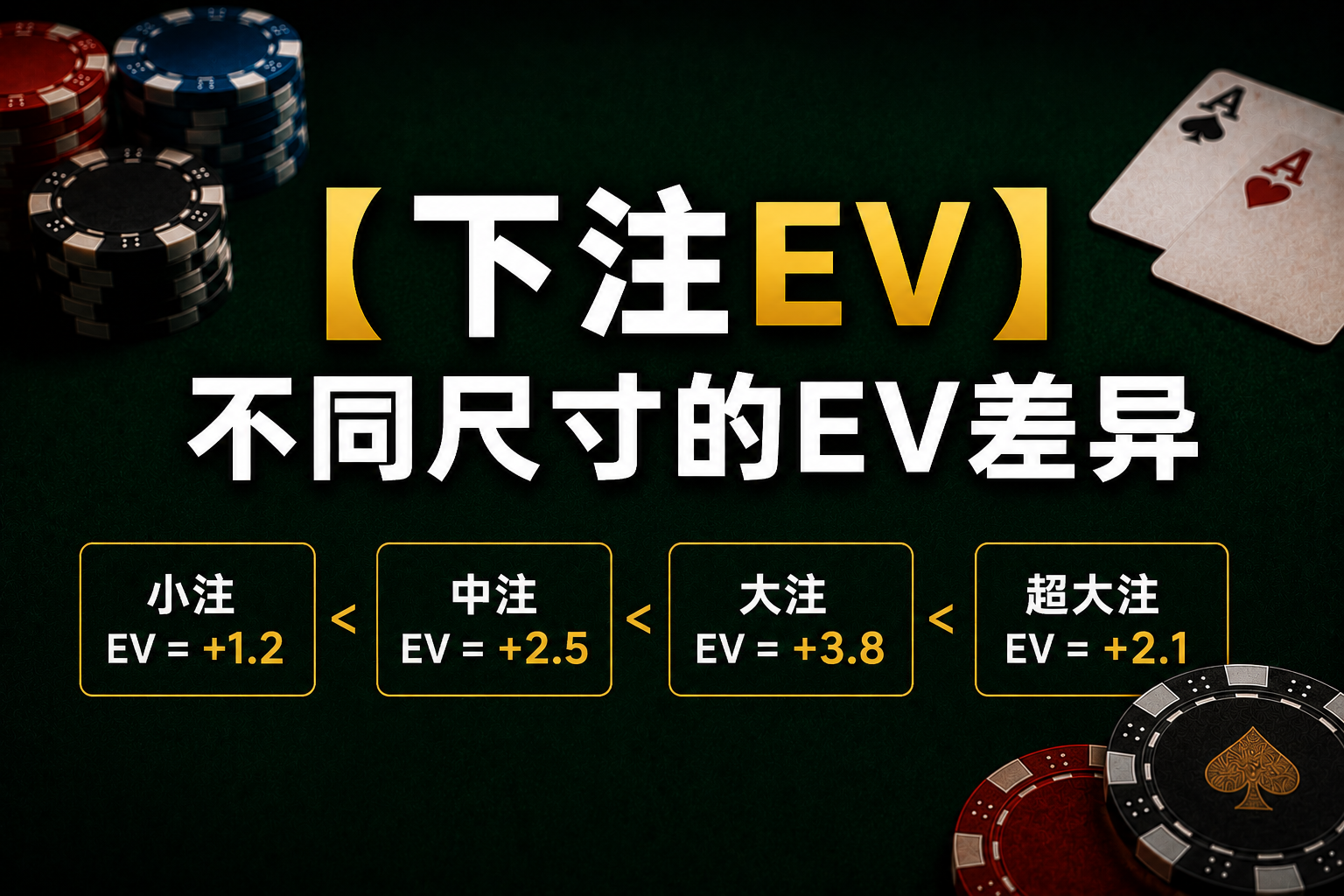
Many players believe that betting is simply a matter of "a little bigger or a little smaller," but true professional players know that bet size itself is an EV tool. The same hand can yield completely different returns depending on the bet size. This article will provide a comprehensive analysis of how bet size affects EV, and the professional mindset behind sizing.

Many players believe that bluffing is simply a matter of success, but true professional players place greater emphasis on bluff frequency. Too low a frequency leads to a lack of pressure; too high a frequency allows the opponent to counter. This article will provide a comprehensive analysis of how bluff frequency affects EV (Effective Value) and professional-level balance strategies.

One of the most important abilities of true professional gamers is not "knowing how to play," but "knowing how to review play." Skilled players don't just look at wins and losses; they analyze their hand performance (EV) to determine if their decisions were correct. This article will provide a complete analysis of how to use EV for hand review and the professional-level error-checking mindset.

True professional players don't slowly write out formulas at the poker table; instead, they use rapid EV models and experience for real-time estimations. Experts can make decisions in seconds using Pot Odds, Outs, Fold Equity, and Range. This article will provide a complete analysis of rapid live EV estimation and professional-level gameplay thinking.

Many high-EV (Effective Value) strategies are accompanied by high volatility and high risk. True professional players not only calculate EV, but also manage volatility, capital, and psychological resilience. This article will provide a comprehensive analysis of balancing high EV and high risk, as well as professional-level risk management thinking.
TAG (Tight Aggressive) refers to a player type who is cautious in pre-flop picks but aggressively raises, bets, and applies pressure once in the pot. TAG players typically have a relatively reasonable VPIP (Voluntary Entry Percentage) and PFR (Pre-flop Raise Percentage), with the difference between the two not being too large. This means the player won't participate with too many weak hands, but when choosing to enter the pot, they mostly establish initiative with raises, 3-bets, continuation bets, value bets, and selective bluffs. TAG is considered one of the most stable and easiest profitable styles to establish in cash games and tournaments, but if the strategy is too rigid, it may lead to weaknesses such as transparent opening range, insufficient blind defense, river under bluff, or excessive folding in the face of strong counterattacks.

Nit (Super Tight) players are those who are extremely conservative in their starting hand selection, participate in pots infrequently, and typically only commit large stacks when they have strong hands. Common characteristics of nit players include low VPIP (Voluntary Participation Per Intake), low or moderate PFR (Pre-Flop Raise Per Intake), excessive folding, infrequent large bluffs, and usually holding a strong range when committing large stacks. While these players reduce marginal decisions and large pot errors, they are also vulnerable to exploits by opponents stealing blinds, frequent C-bets, widening their opening range, and attacking their passive lines. Understanding nit players is not just about identifying opponents; it also helps players check if they are being overly conservative, missing value, fold equity, and high EV (Effective Value) opportunities.
Sizing tell refers to a player unintentionally revealing their hand strength, range structure, or strategic tendencies through their bet size or raise size. For example, if a player always bets the whole pot when holding a strong hand but only bets a third of the pot when bluffing, opponents can deduce their value and bluff range based on the size. Sizing tell can also occur in situations such as pre-flop raises, flop C-bets, turn bars, river value bets, check-raises, and all-in bets. Size itself does not necessarily constitute a tell. Only when a player uses different sizes without establishing a reasonable, balanced range, and instead makes a specific size highly correlated with a specific hand strength, will an exploitable sizing tell be formed. Understanding size tell can help players identify opponents' betting patterns and avoid their own strategy being exposed by bet sizes.
Bet frequency refers to the proportion of a player's bets in a specific situation, either across the overall range or in a particular hand. For example, if the solver shows a flop should be bet at an overall frequency of 70%, it means the player bets approximately 70% across the entire range and checks approximately 30%. If a single hand shows 60% bet and 40% check, it indicates that the hand employs a mixed strategy. Bet frequency is influenced by bet size, range advantage, nut advantage, board texture, position, effective stack size, and opponent strategy. Generally, smaller bets can be paired with a higher bet frequency, while larger bets require a more concentrated and polarized betting range.
Raise size refers to how much a player increases their total bet when faced with a bet. Raise size is different from raise increment. For example, if your opponent bets 50 and you raise to 150, the raise size is the total 150, while the raise increment is the increase of 100. When choosing a size, players need to consider the current pot, opponent's bet size, position, effective stack size, board texture, range, and strategic goals. Common pre-flop raise sizes include opening raise, 3-bet, 4-bet, and squeeze size; post-flop sizes include raise, check-raise, and all-in raise. A reasonable raise size maximizes value, increases fold equity, charges the draw, and plans the SPR (spread per second) of subsequent streets.